
Inside London - The London Rundown
Medieval London: Dirty, Dangerous & Dynamic
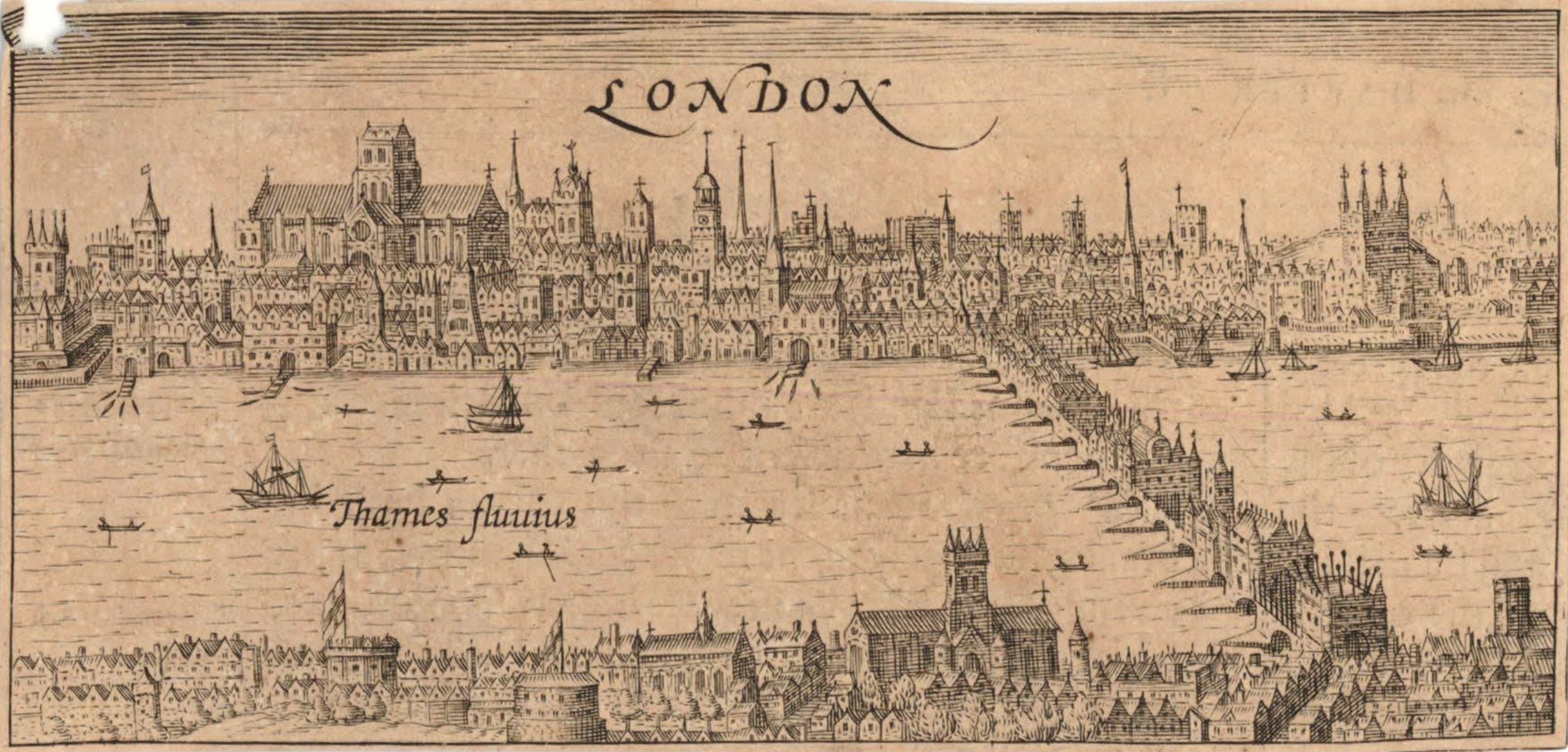
Our story of medieval London starts with 1066 and all that. London was already the largest city in what’s now the U.K., so you could say that it was already preeminent, but it wasn’t;t ordained that it would become England’s de facto capital city. The new King of England, William the Bastard the Conqueror could have made Winchester his new capital, it was closer to his home in Normandy, and had been the capital city of England’s Anglo Saxon kings. In many ways it would have made sense.
However, although he didn’t spend much time in London, he was crowned king at Edward the Confessor’s new abbey on the island of Westminster, and there was a modest palace next door. A couple of miles downstream was London, within its ancient Roman Walls. Although perhaps only twice the size of Winchester or York at the time, it was the center of much of England’s international trade, industry and finance (such as it was then), and sited in the middle of England’s most fertile agricultural region, what are now known as the Home Counties. It was also the biggest port on the island.
As the Middle Ages passed London only increased its primacy, both in population, size and wealth, such that by the end of the period the city was one of the greatest, and richest in Europe. Even as it was shaken and buffeted by numerous destructive disasters, London showed enormous reserves of resilience and determination in order to continue its rise.
London Enters the Medieval Period
One interesting fact to know about London is that it wasn’t a royal city for most of its existence, there were never any palaces within its walls. It was always ruled by private and business interests and money.
Having cowed London and the Anglo Saxon nobles into submission in late 1066, William was crowned on Christmas Day. Having got that out of the way he signed a peace treaty with the city before entering it, called the William Charter, in January 1067. Written in Old English, it read in part:
King William greets in friendship… all the citizens of London, French and English; and I inform you that it is my will that your laws and customs be preserved as they were in King Edward’s day, that every son shall be his father’s heir after his father’s death; and that I will not suffer that any man do wrong to you. May God keep you.
It’s my belief that the eminently practical William, clearly in need of some cash after the expensive invasion, took a campaign donation from the wealthiest citizens of the city. In return London’s burghers swore fealty to their new Norman king. It was a wise move by London, as it established a measure of independence for the city, that would only increase with time.
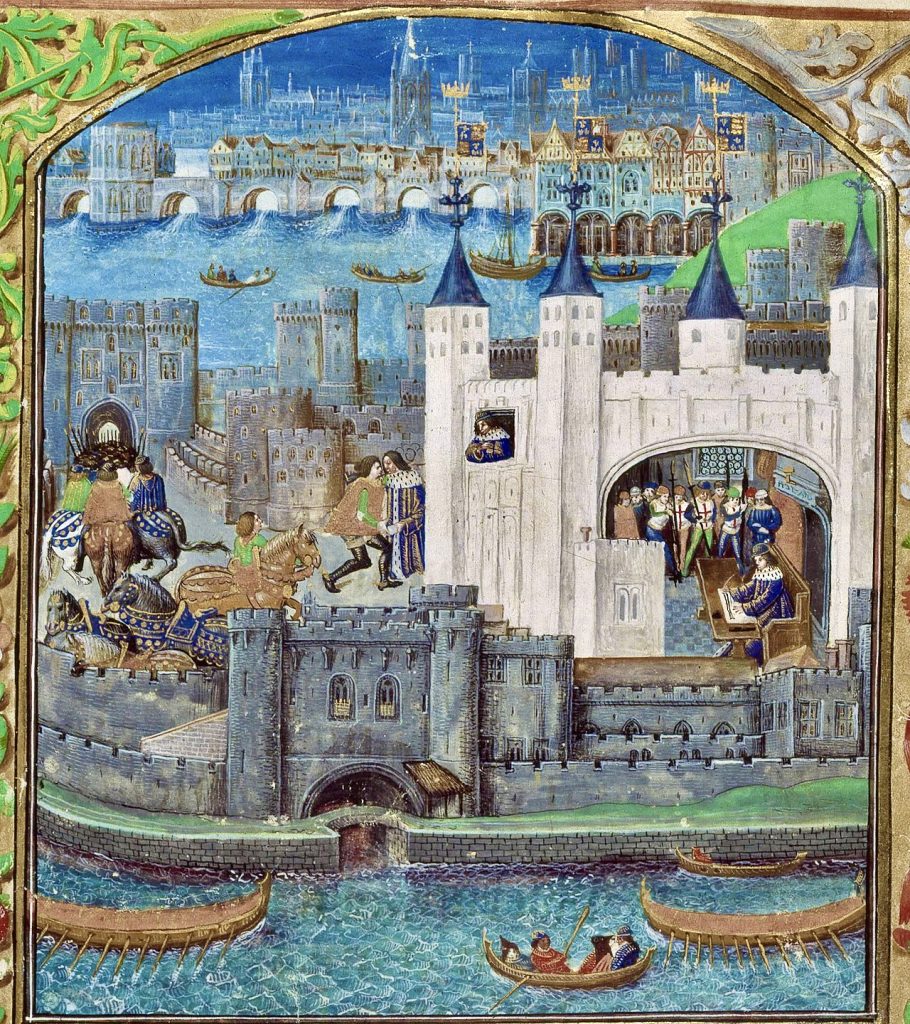
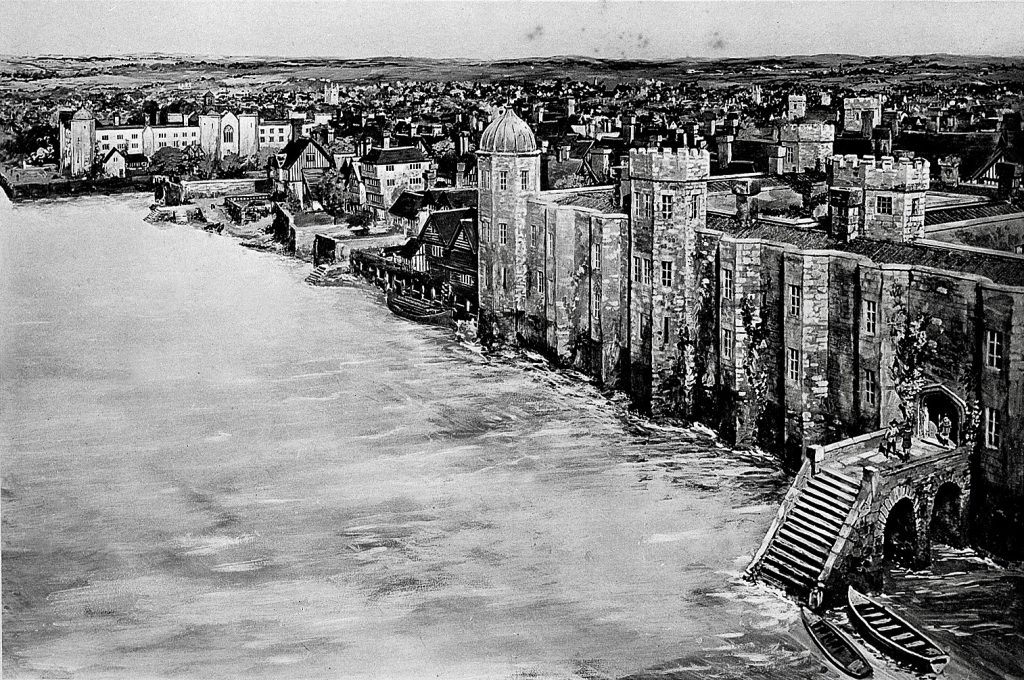
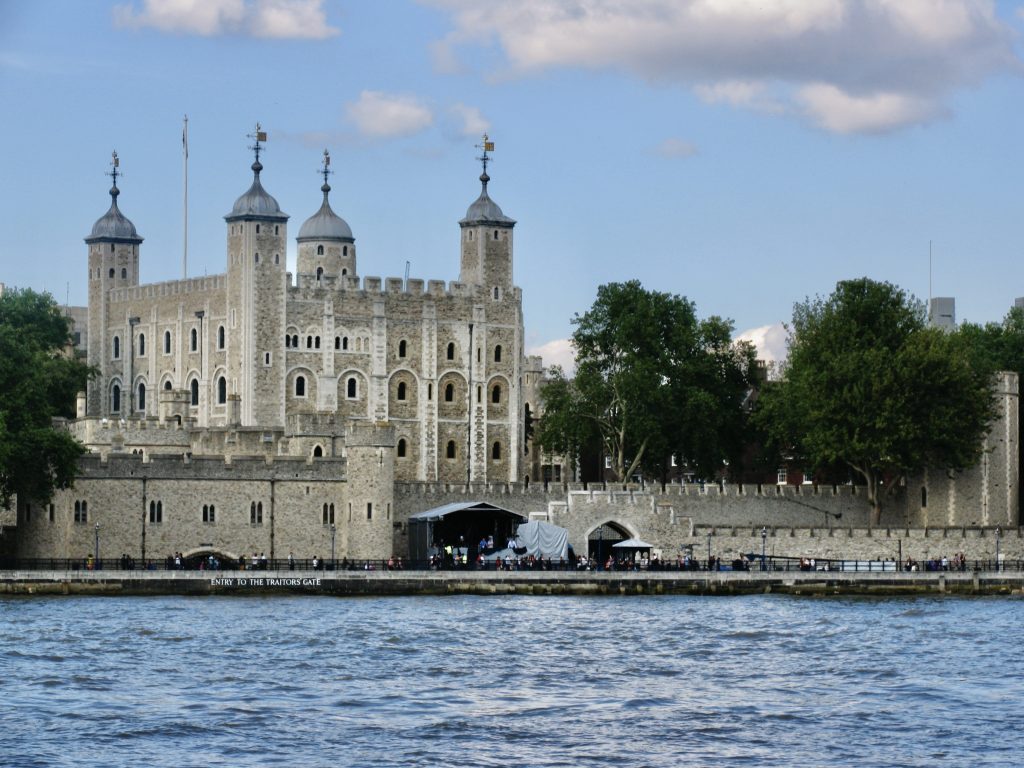
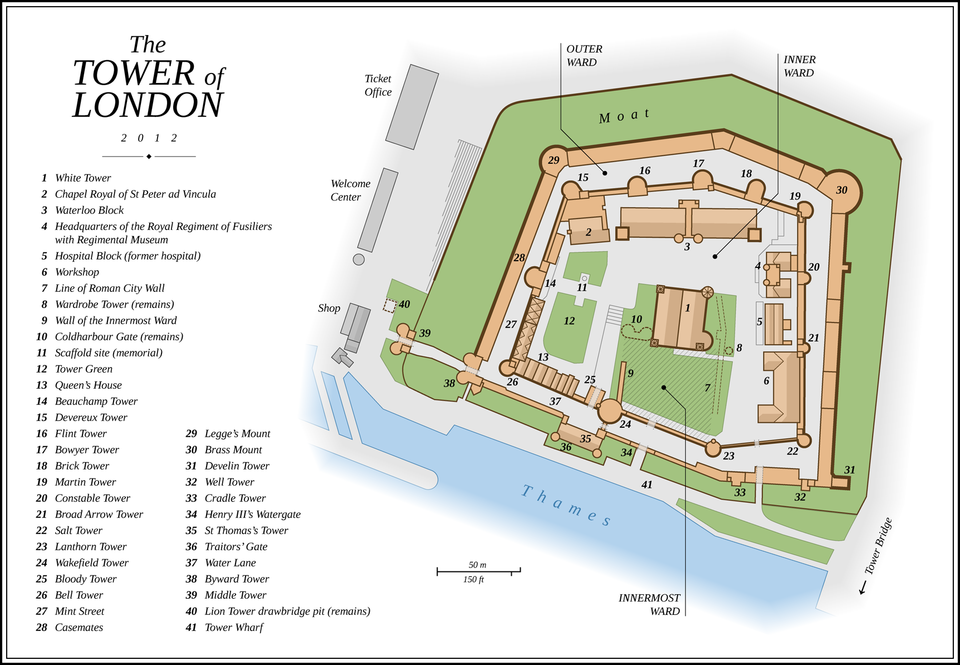
Still the king must have had something of Ronald Reagan’s old maxim in mind – trust but verify – when he ordered the construction of a mighty Norman keep on the banks of the Thames on the east side of the city, just inside its old Roman Walls but outside the city itself, to be called the Tower of London. Over time the keep, known as the White Tower, would become the central point of a vast castle complex, as well as being both prison and palace.
In truth though, all royal palaces were potential prisons back then (strictly for nobility or very important prisoners) and the royal apartments at the Tower were never the most comfortable, or royally popular (apart from when the people were revolting). Therefore the Tower was only sporadically used as a palace over the centuries..
William built two other fortresses in London, Baynard’s Castle (near present day Blackfriars Station) and Montfichet’s Castle (not far away, near St Paul’s Cathedral), for good measure. Both of them would later became part of the great Dominicans Priory of Blackfriars and give the street of Old Bailey its name.
As William’s biographer, William of Poitiers, wrote:
Fortifications were completed in the city against the restlessness of the huge and brutal populace. For he [William] realised that it was of the first importance to overawe the Londoners.
It seems that he succeeded in this aim since, despite there being several revolts in other parts of England against his rule, London remained largely peaceful for most of the rest of the Norman era.
One consequence of the Norman conquest was the emergence of a small, but important, Jewish population in London. By 1100 William’s son, Henry I, was granting a royal charter to the Chief Rabbi of London, Joseph, giving Jews in England freedom of movement and property ownership, amongst other things (including being allowed to swear on the Torah, instead of the Bible).
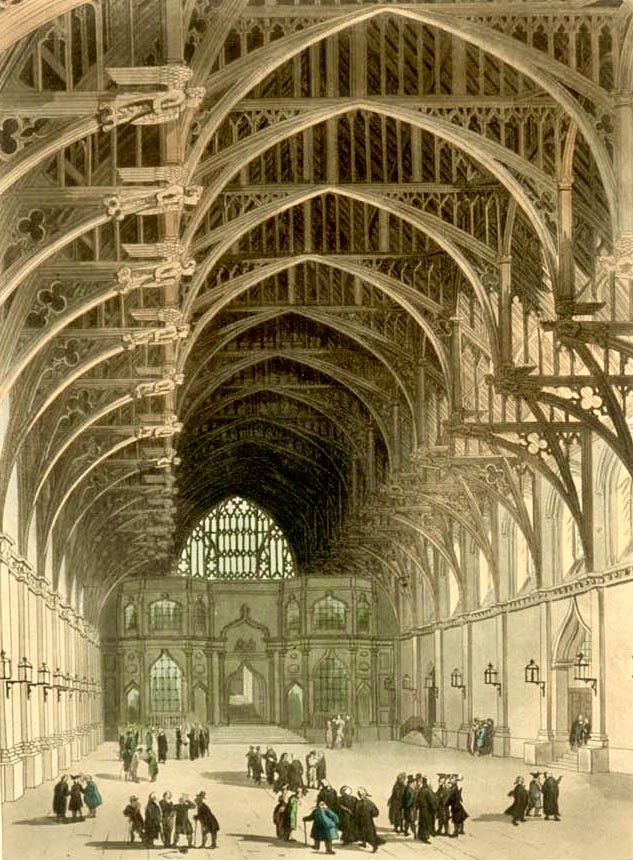
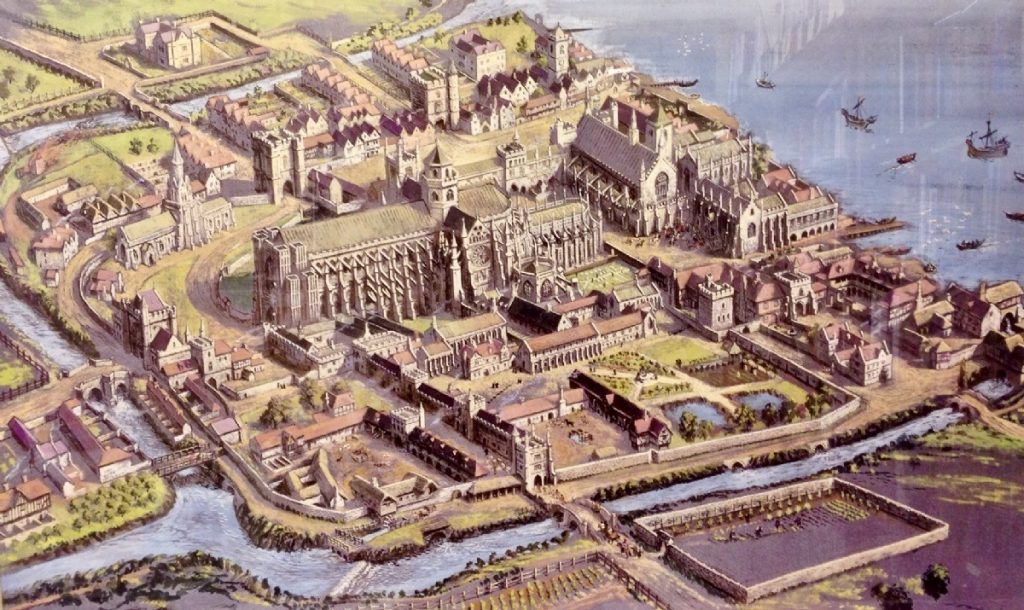
Also the magnificent Great Hall at Westminster Palace was taking shape by then. The enormous space inside, created by mighty oak hammerhead beams, made it by far the biggest room in England at the time, and probably Europe. Today it’s the oldest surviving remnant of the original Palace of Westminster. By the early 12th Century the palace was the primary residence of the kings of England, as they began spending more time in their English domain, instead of their ancestral lands in France.
A New London Bridge
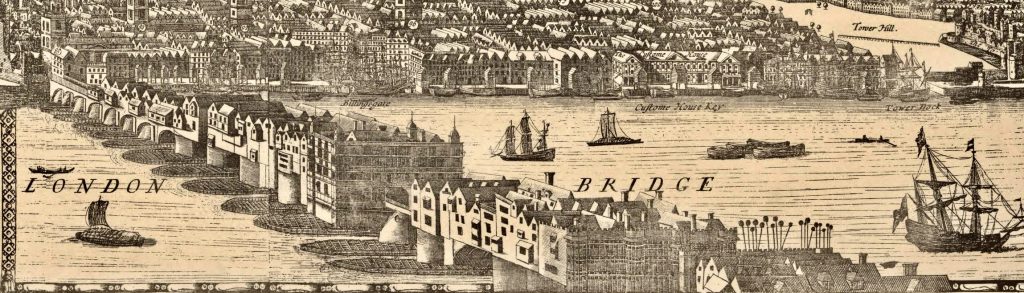
In 1176 construction began on the most famous incarnation of London Bridge, the one with all the buildings on it. Finished in 1209, the bridge replaced the earlier timber one and would stand for more than 600 years, until 1831. It would remain London’s only bridge until Westminster Bridge opened in 1750.
There were houses on the bridge (which was almost 1,000 feet long) from the start, as it was a standard practice to help pay for the maintenance of the structure. There was also a chapel dedicated to St Thomas Beckett (the murdered Archbishop of Canterbury) in the centre.
There was a stone gate on the south end of the bridge, and it took the function of displaying the severed heads of traitors. William Wallace was the first traitor to be so honored by having his head stuck to a spike on the tower, but the tradition continued unto 1681. As late as 1598 a German traveler counted over thirty heads decorating the bridge. The houses were only demolished in 1760, in order to make the bridge wider.

London Grows in Importance
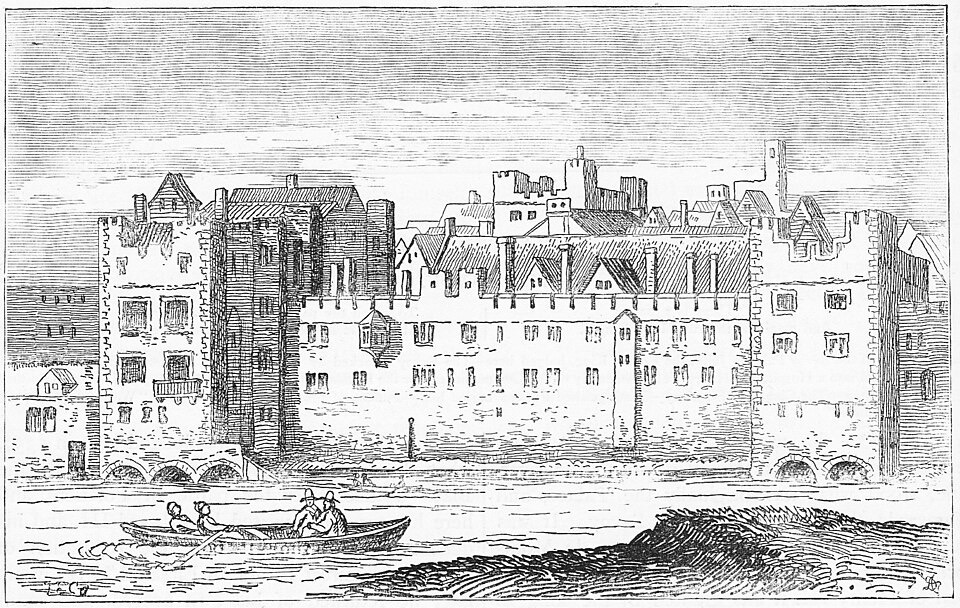
In the Middle Ages, the Strand became the principal route between the separate settlements of the City of London (the civil and commercial centre) and the royal Palace of Westminster (the national political centre). Accordingly many courtiers and archbishops began to construct mansions and palaces on the road, with their own river gates and landings directly onto the Thames.
Mansions of historical importance built between the Strand and the river during the Middle Ages include Arundel House, the Savoy Palace, Durham House and York House, none of which survive into the present time. Even so many streets reflect their names, and the Savoy Hotel occupies the sight of its namesake (and the hotel is like a palace, to be fair).
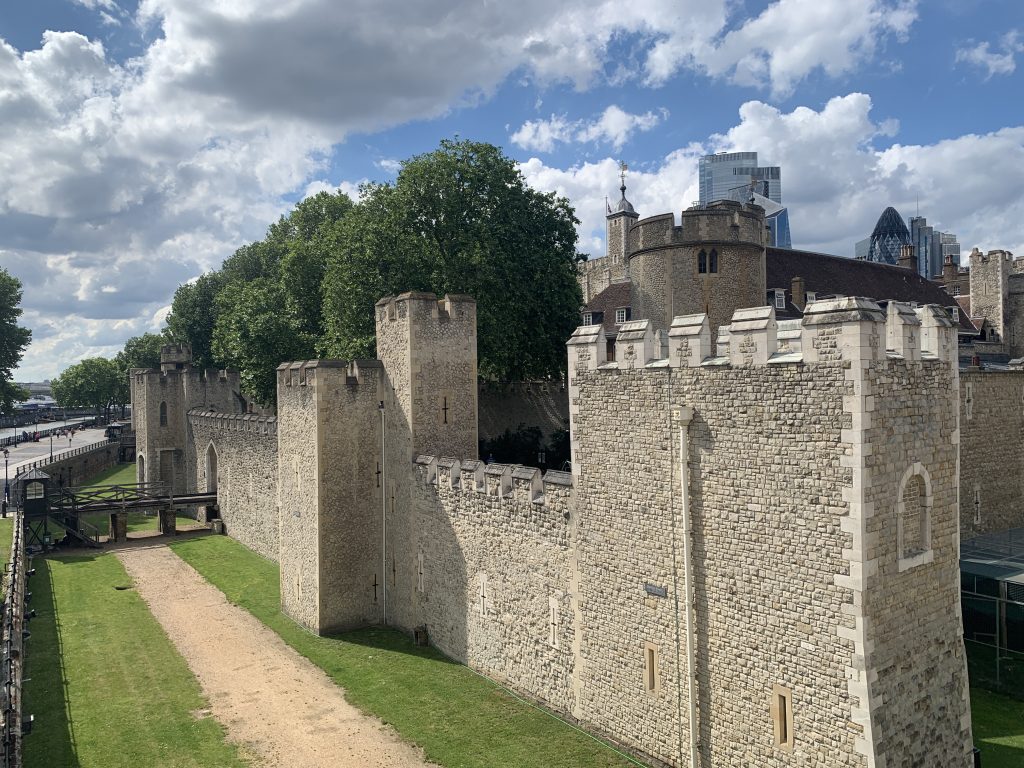
By the early Thirteenth Century the winds of change were blowing once again, as several new forces began to impact London. Firstly Richard I, the Lionheart, expanded the Tower of London by creating a curtain wall around the keep, doubling the size of the complex. He also put a moat around it on the land sides. This turned the Tower into an even more formidable fortress and it was in 1191 that it was besieged for the first time, when King Richard’s brother, John, attempted to take the throne for himself. The siege only lasted three days, because Richard’s forces decided that further resistance was futile, even though the keep’s walls had not been breached.
After Richard’s untimely death in 1199, fighting in France, the crown fell to King John, of Robin Hood fame (even though the stories probably originated in Edward II’s time, a hundred years later). John is very important for two reasons. The first is that through bad military leadership he finally lost the Norman Kings’ ancestral lands across the English Channel, which made up about half the present-day area of France.
The second reason is that he drove the people of England to rebellion with his capricious and dictatorial reign, leading to the signing of the Magna Carta in 1216, when he lost the First Baron’s War. Signed not far from London, at Runnymede on the River Thames, the charter was almost immediately repudiated by John.
However, after his death just a few months later it was ordered to be published and distributed throughout the kingdom by the new regent for the boy King (Henry III), England’s greatest knight, William Marshal. It established for the first time a theoretical limit to a sovereign’s power, and that even they were subject to the law. The ramifications of its principals are still being felt to this day.
The consequence of the loss of the Angevin Empire in France was felt in that English kings and nobles literally began speaking English. The upper classes had mostly spoken French during the Norman era, but without the connection to the continent, that custom quickly faded. English now became the undisputed language of the English.
However the main impacts noticed at the time were a series of rebellions against Henry III, who seemed to have many of the same failings as his father, John, while having much better health (dying at 65 years old). Several times he was besieged in the Tower of London, but it held firm every time, even against huge siege engines. Even so, the rebel barons were able to extract a concession from the king which did establish the principle that parliaments should be held on a regular basis.
Old St Paul’s Cathedral
In 1240 the old, gothic, St Paul’s Cathedral was finally consecrated, construction having begun in 1087. Erected at the summit of Ludgate Hill, the highest point within the city, the new building dominated the skyline of the London and could be seen for miles around.
The relationship of London to St Paul’s is in many ways comparable to the feeling Parisians have for the Cathedral of Notre Dame, and the completion of it led to London increasingly taking a leading role as a religious center for the Kingdom.
Especially when the importance of nearby Westminster Abbey is taken into account, with its central role in the religious life of the monarchy, London began to overshadow the old religious center of Canterbury. For nearly 250 years kings were crowned in London during the Middle Ages with a procession from the Tower of London, through the city, to Westminster Abbey.

Expulsion of the Jews
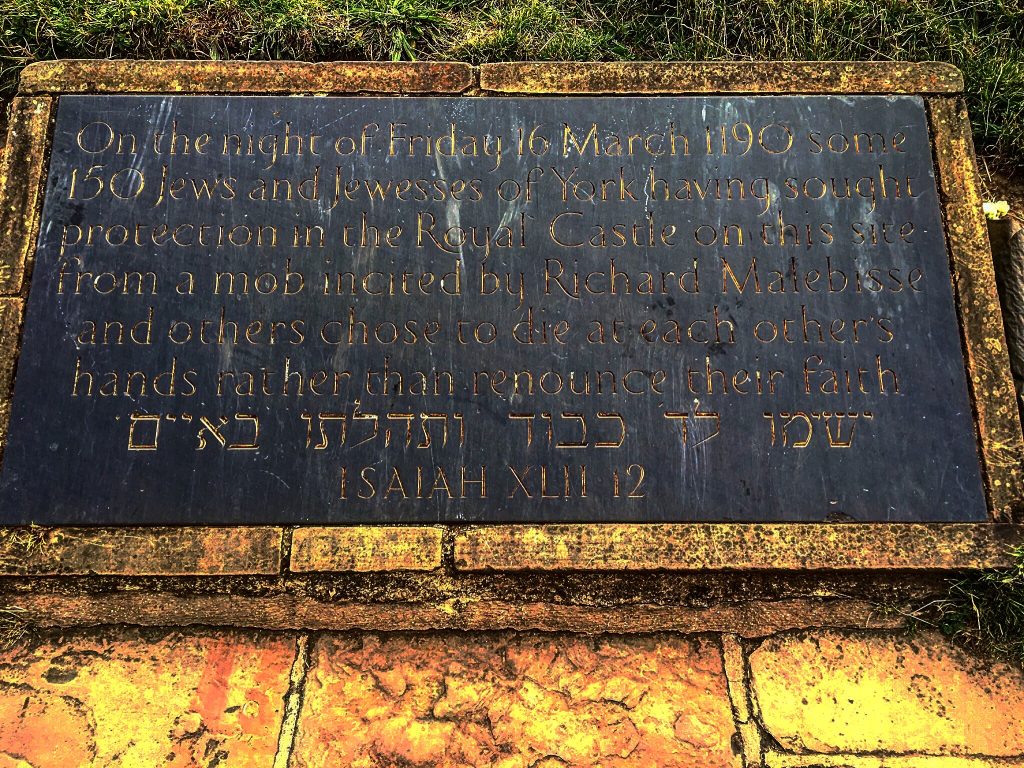
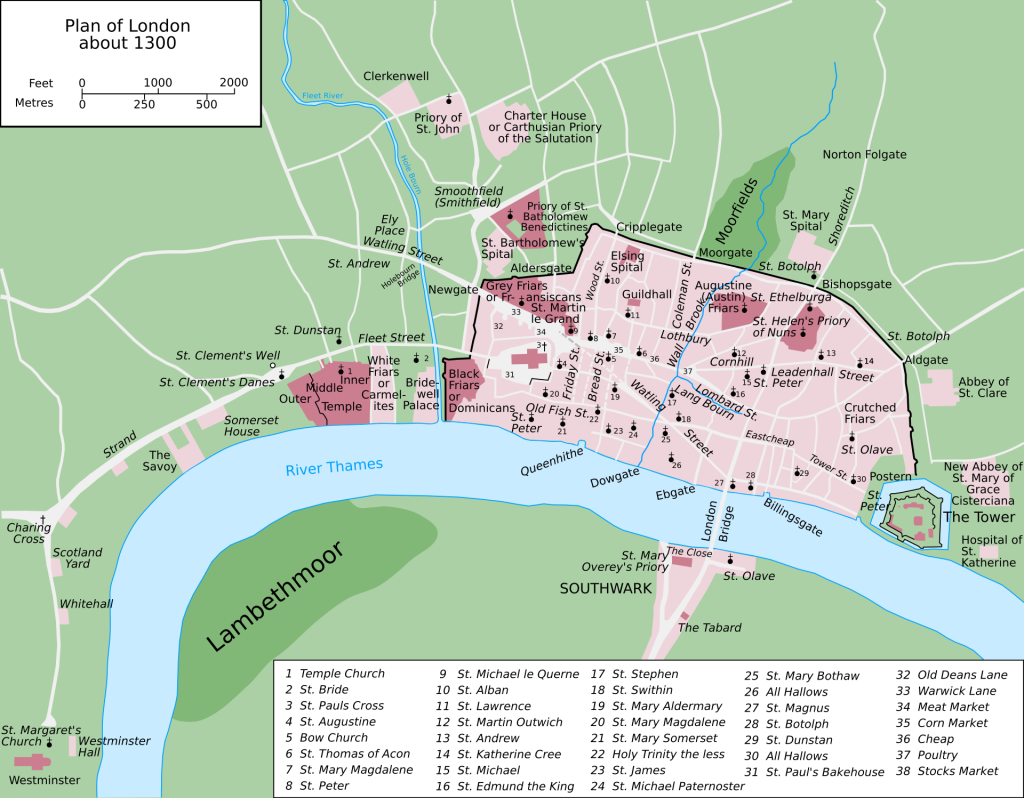
In spite of the often challenging situations London continued to grow and prosper during this period, reaching a population of as much as 80,000 people by 1300. However, this growing prosperity was not to be felt by London’s Jewish community. Rising religious tensions, partly to do with the Crusades, meant growing anti-semitism.
In 1264, during the Second Barons’ War, rebels killed more than 500 jews in London. In 1278-9 as many as 300 jews were executed at the Tower of London, then, in 1290, the Edict of Expulsion was issued by King Edward I. From a high of perhaps 2-3,000 people the Jewish population of London dropped, essentially, to zero.
There would be no significant Jewish population until the Sixteenth Century, when a new community of jews, who’d escaped the Spanish Inquisition, would find refuge in London. The first texts in Hebrew were published in the city in 1524, and the use of Hebrew for private religious use was officially permitted in 1549.
Medieval London Experiences Dark Times
During the reign of Henry III and his son, Edward I, the Tower of London was completed and took on the appearance that it’s, more or less, kept ever since. The second curtain wall was constructed around the complex with a moat, filled from the Thames, surrounding the new wall. Also the practice of whitewashing the outside of the Tower began, which led to the naming of the keep as the White Tower.
However, London was wracked by a series of natural disasters over the following century, in addition to periodic outbreaks of political instability. The first major disaster was known as the Great Famine, which affected the whole of Europe between 1315-20.
Caused by a series of very wet summers, and compounded by other factors, such as widespread cattle disease, as much as 25% of the total population of Europe perished. Even King Edward II could not get a single loaf of bread, when he left London to visit St Albans, in August 1315. A chronicler in Bristol reported:
A great Famine of Dearth with such mortality that the living could scarce suffice to bury the dead, horse flesh and dogs flesh was accounted good meat, and some eat their own children. The thieves that were in prison did pluck and tear in pieces such as were newly put into prison, and devoured them half alive.
The most devastating disaster though was the Black Death, which decimated populations in Europe and the Middle East in the mid 14th Century. The pandemic, widely believed now to have been transmitted by fleas that were carried by rats (which would then bite humans, transferring the virus into the human’s blood), reached London via trading ships in 1348.
The plague, as the virus was known then, was extraordinarily lethal to people that it infected. Knowing nothing about hygiene and modern medicine, millions died over the following few years. Modern estimates have put the death rate at between a third and half the entire population of the British Isles.
London, so densely populated and unhygienic, with such good links to other affected/infected parts of the world, was particularly badly hit, and the city saw a massive decline in population, as those who survived initial wave of the pandemic fled disease and death riddled urban areas for the country (taking the virus with them).
Social and Political Change in the Middle Ages
The Magna Carta had established that the king should meet with Parliament to gain its advice and consent in order to raise money via taxation. Soon parliament (from the French word ‘parler’, meaning to talk) was demanding a say in how money was spent as well, and accruing other powers. The term parliament was first used in 1236.
In the 1230’s it became accepted that Parliament would normally meet at Westminster. Not only that but the Kings Court, the highest legal body in the land, was also based at the Palace of Westminster, rather than traveling with the monarch, from 1234. By then the exchequer had been moved from Winchester, the old seat of the Saxon kings, to Westminster too.
In 1265, Baron Simon de Montfort, called a parliament to gain support for his rebellion against Henry III. For the first time there was an elected element to the body (in addition to the nobility and clergy). There were representatives elected from the towns and shires by property-owning men, so not a modern democracy for sure, but it was a crucial development in England’s governance. As time passed this elected body became an accepted feature of Parliament.
Crucially, Parliament was instrumental in peacefully deposing Edward II and replacing him with his son, Edward III, in 1327. This overturning of the principle of the divine right of kings was to have lasting consequences. It was a sign that the Crown and the monarch themselves were seen as distinct from each other. A few years later, in 1341, the Commons met separately from the nobility and clergy for the first time, thereby creating two separate chambers, known as the Houses of Parliament.
By this time, although parliaments could and would be held wherever the king happened to be, the default location was Westminster Palace, the monarch’s principal residence and where de Montfort’s Parliament had been held.
The devastating death toll of the Black Death had major social consequences, as it effectively ended the system of serfdom in England, which had existed since the Norman Conquest of 1066. Serfs could no longer be tied down to the land as property of the nobility.
The loss of so many people to the pandemic made labor itself much more valuable, and wages rose considerably as a result (much like the recent Covid pandemic). The population also became a little more mobile over time, as motivated and ambitious people found it easier to move around and find better paid work.
Dick Whittington
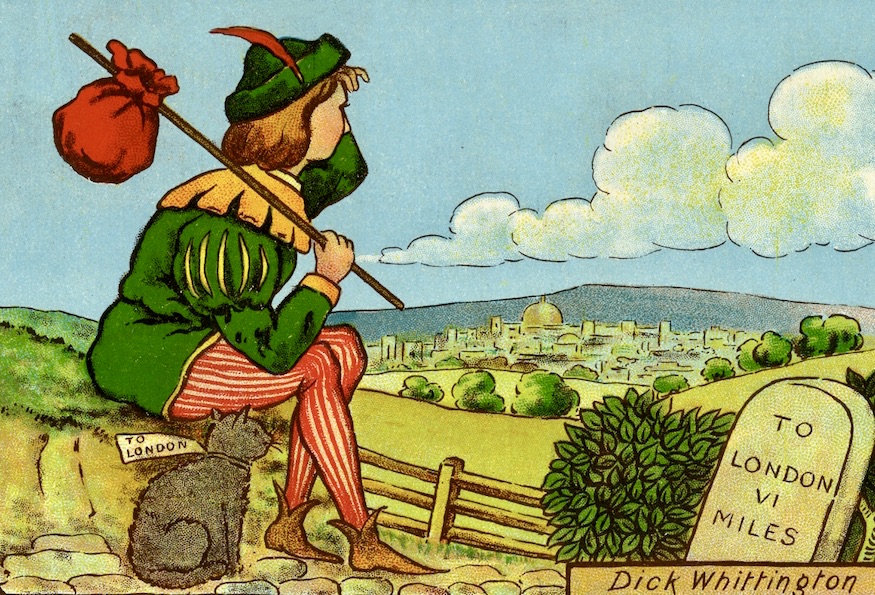
One of those ambitious and mobile people was Sir Richard, AKA Dick, Whittington. In the six-hundred-odd years since his death he’s become famous, not least because of the story of Dick Whittington and His Cat, but the man himself was a very important historical figure.
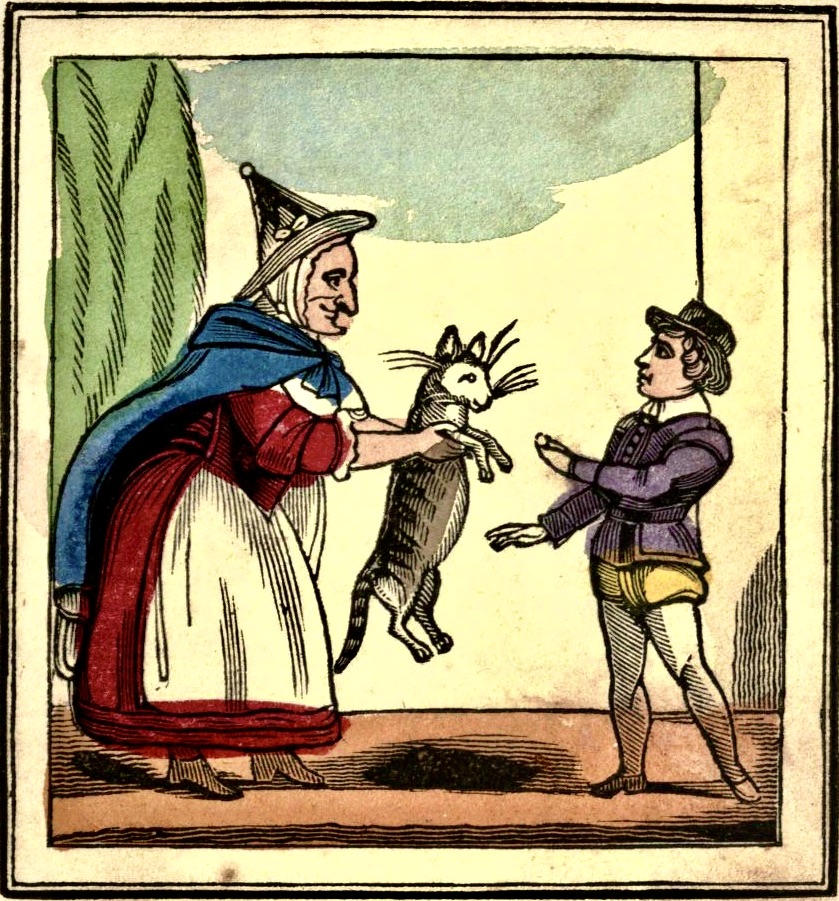
The story is a rags-to-riches tale in which Whittington is born into poverty and decides to travel to London to make his fortune, since there “the streets are paved with gold”. He finds work for a rich merchant as a lowly servant, and somehow ends up owning a cat (never mind how). Nevertheless, unsatisfied with his job he decides to leave London and return home.
However, just outside the gates of London he is called back by the Bow bells (the church bells of St Mary le Bow). Whereupon he returns and gets work as a deckhand on a merchant ship to the Levant. Unfortunately the ship is wrecked on the Barbary Coast of North Africa and, for various reasons, he ends up at a feast given by the ruler, which is being ruined by lots of unruly mice and rats.
Wouldn’t you know it but that cat sure comes in handy, as it’s able to clear all the nasty vermin, earning Whittington the lasting gratitude of the African king. The monarch buys his cat for a premium price, since it’s pregnant by then as luck would have it, and Whittington returns to London rich beyond his wildest dreams.
The story is pure fiction of course. Whittington was born to a noble family at the end of the Black Death in 1354 (and not in poverty), then in his late teens he moved to London to become an apprentice to a mercer (merchant). Learning the trade well, he dealt in silk, velvet and woolen cloth, exporting to and importing from the continent. There’s no mention of any cat that he may/may not have owned until about 1600 (well over a 150 years after he died), when the story first appeared. Intriguingly, it might well have come from Italy, where it’s know as Puss in Boots.
Also in 1600 the King of Barbary sent an ambassador to the court of Queen Elizabeth, seeking an alliance, so that may well be a factor in his appearance in the tale. It certainly would be quite a coincidence if there is no connection.
By the 1380’s he’d already become a councilman and by the 1390’s he was lending money to King Richard II. Proving he was non-partisan, he also lent money to Henry IV, after the new king deposed (and disposed of) Richard II. Soon he was elected Lord Mayor and, later, member of parliament for the City of London. Whittington was almost certainly the wealthiest person in England at the time and, as his fame spread, the very concept of ‘going to London to make your fortune’ began to spread. The route to power and prosperity no longer required service to the king, there was another way and it lead through London.
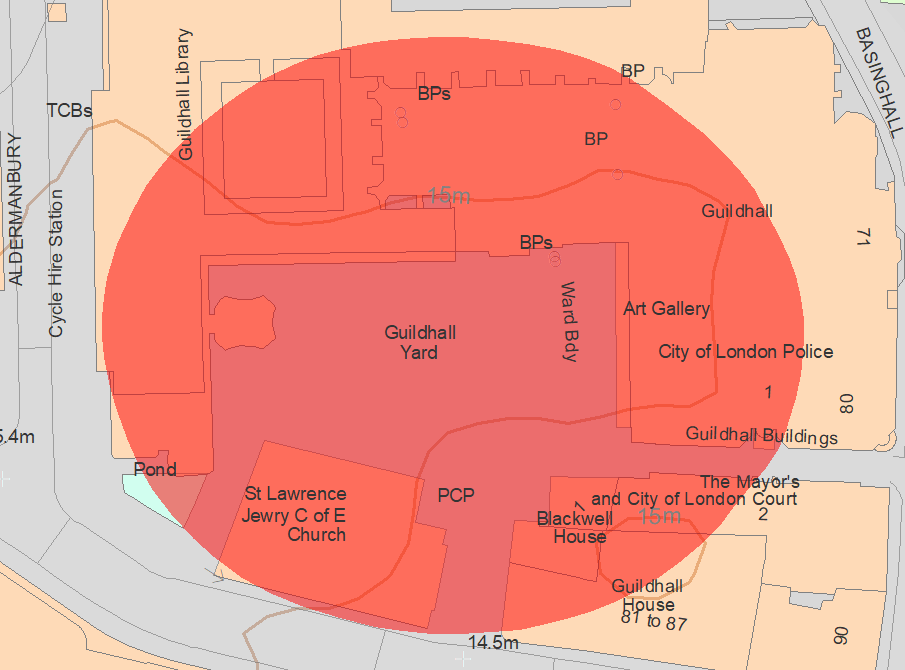
Whittington left a vast and enduring legacy. Not least his charitable endeavors, which are still, many centuries later, still disbursing funds through the the Mercers Company. He also funded the construction of a magnificent new Guildhall (effectively London’s municipal town hall), which was built on the site of Londinium’s Roman Amphitheater and stands to this day.
Interestingly, recent research has revealed that enough of the Roman structure probably survived into the 14th century to influence the siting of the enormous gatehouse to the Guildhall, which was built at the entrance to the ancient amphitheater, the Guildhall itself and the nearby church of St Lawrence Jewry. He also funded the construction of one of the biggest public toilets in the country at the time, Whittington’s Longhouse.
London at the End of the Medieval Period
By the end of the Middle Ages, with the accession of Henry VII leading to an end to the political instability and civil strife of the War of the Roses, London was growing in wealth,.power and importance. However London was still very much defined by its walls, at least in a physical sense.
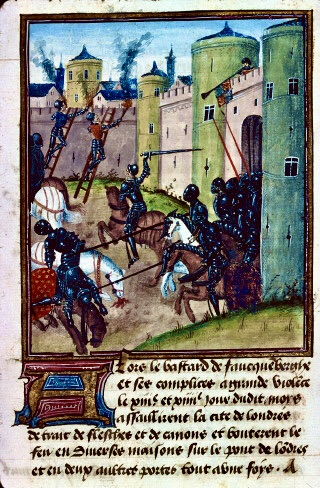
In 1471 the walls would be used in defence for the last time in a significant way, when London was besieged by the army of the House of Lancaster. They held firm and the siege was resisted after three days of fierce fighting. Cannons were used in the siege, and this new technology would ultimately spell the end of defensive features such as stone walls.
It was during these years, 1483-5, that two of the most famous prisoners of the Tower of London mysteriously disappeared. The missing Princes in the Tower, Edward and Richard, were the sons of Edward IV (of the House of York), who’d been replaced by the dastardly Richard III (of the House of Lancaster). The cause of death, and even whether they were murdered, is a mystery, but two small skeletons found in a box under a staircase at the Tower in 1674 are widely considered to be their remains. Probably their uncle, Richard III, had them quietly murdered, since he had most to gain from their death.
The large medieval gates of Ludgate, Newgate, Cripplegate, Bishopsgate, Aldgate. Aldersgate and Moorgate, would live on though for several more centuries as the main entrances to the city. The two gates in the river wall were Billingsgate and Bridge Gate. There were four toll gates just beyond the walls: Holborn Bar, Temple Bar, West Smithfield Bar and Whitechapel Bar, where taxes could be paid on produce and merchandise entering the city.
London had also become the center of the legal profession in England and Wales during the Middle Ages, with the four Inns of Court being created in the fourteenth century at Temple, just outside the walls of London:
- The Honourable Society of Lincoln’s Inn
- The Honourable Society of the Inner Temple
- The Honourable Society of the Middle Temple
- The Honourable Society of Gray’s Inn
The Inns of Court, along with the great Monastic houses, were the universities of the Middle Ages, where students would study and debate ideas and theories, both legal, philosophical and religious.
Over the following century London would explode over the surrounding countryside, as its population doubled from around 100,000 in 1500, to about 200,000 in 1600. That made it thirteen times the size of the next biggest city in England, which was at the time Norwich. The first maps of London date from this period.
Many of these developments were due to one of England’s most famous kings, Henry VIII. He’s chiefly known for his Stalinist approach to divorce, but even forgetting that sorry story he’s one of the most consequential monarchs in British history.
Henry VIII
Henry’s father had been a careful king, but the son was anything but. Henry VIII transformed England and London. People often forget that the reason that Henry VIII had so many wives was because he broke with the Roman Catholic Church (in which divorce was strictly forbidden) and transformed his entire kingdom into a Protestant country, with himself as head of the newly created Church of England.
Growing up Henry VIII was a popular Prince of Wales, handsome, strong and intelligent, he seemed like the ideal of the Renaissance ruler. However his first marriage, to Catherine of Aragon, did not produce the required heir. England had been torn apart for nigh-on a hundred years by the War of the Roses, before his father defeated Richard III in battle and became king, so it’s highly likely that Henry VIII was paranoid about something similar happening if he didn’t produce a son.
On top of that Catherine had a lady-in-waiting called Anne Boleyn. She caught Henry’s eye and ear, and soon he was starting to want a divorce. As a good catholic, which he had been, he applied to the Pope to annul the marriage to clear the way for Anne to become queen. Unfortunately for Henry his wife was the aunt of the Holly Roman Emperor, Charles V, AND her nephew had imprisoned the Pope when capturing Rome.
Denied the necessary annulment Henry decided to take matters into his own hands, as any absolute monarch surely had a right to do, and threw off Rome’s authority over the church in his kingdom. A series of acts of parliament in 1533 and 1534, made the monarch head of the Church of England. In a sense it was like a Sixteenth Century Brexit, a throwing off of European overlordship.
It hadn’t taken long for the ideas of Martin Luther and others to spread to London, as the city was already so closely linked to the continent by trade and population. Henry had commissioned a committee of theologians to repudiate Luther’s radical ideas in 1521, but after the Grand Master of the Teutonic Knights, Albert of Brandenburg-Ansbach, formally renounced Catholicism in 1525, in so doing becoming the hereditary Duke of Prussia, Henry had a change of mind and heart.

Dissolution of the Monasteries
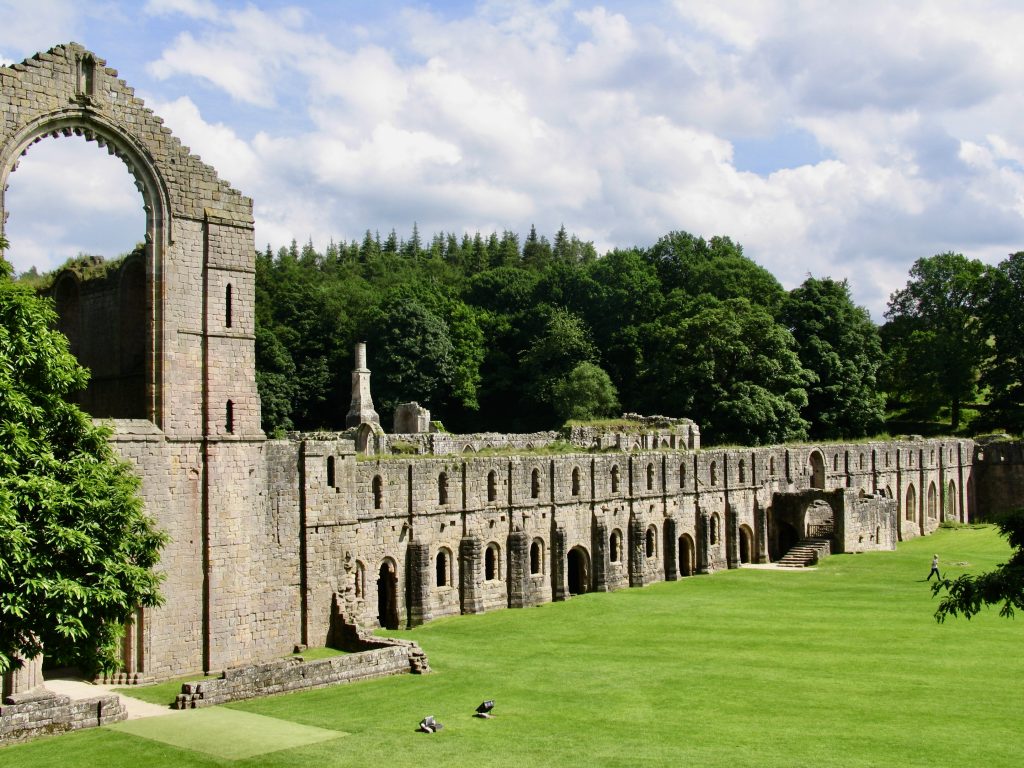
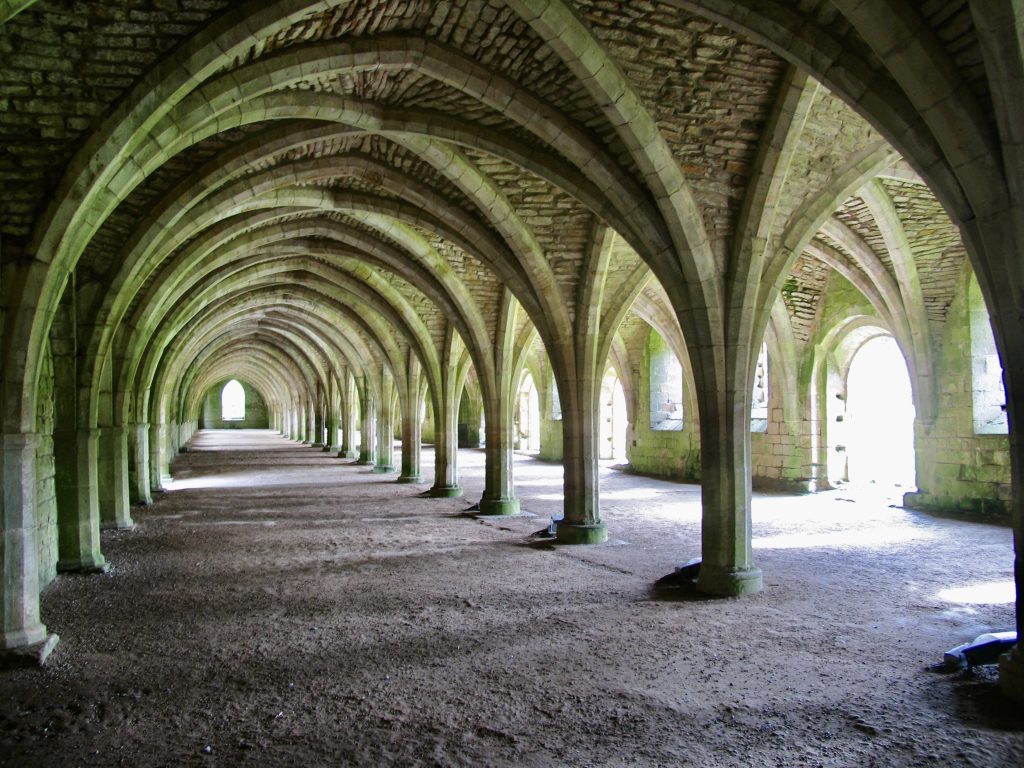
I mentioned before that London was considered a religious centre in the Middle Ages, a big element in that were the many monasteries located in and around the city. There were no less than forty-six monasteries, nunneries, priories, abbeys and friaries ringing London, with vast agricultural land holdings beyond the city’s walls: the Blackfriars, the Greyfriars, the Whitefriars, the Crutched Friars, Charterhouse and, of course, St Peter’s Abbey at Westminster, as well as many others.
London’s medieval hospitals were all monasteries too, such as the St James’ Leper Hospital and St Bartholomew’s Priory (now Barts Hospital).
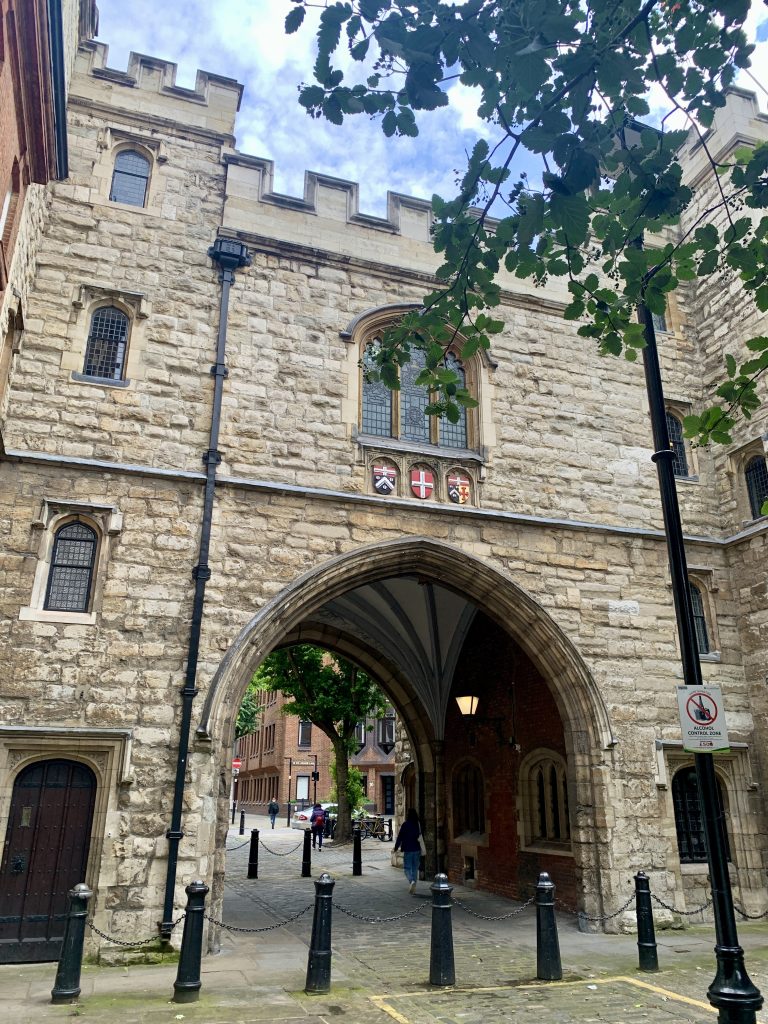
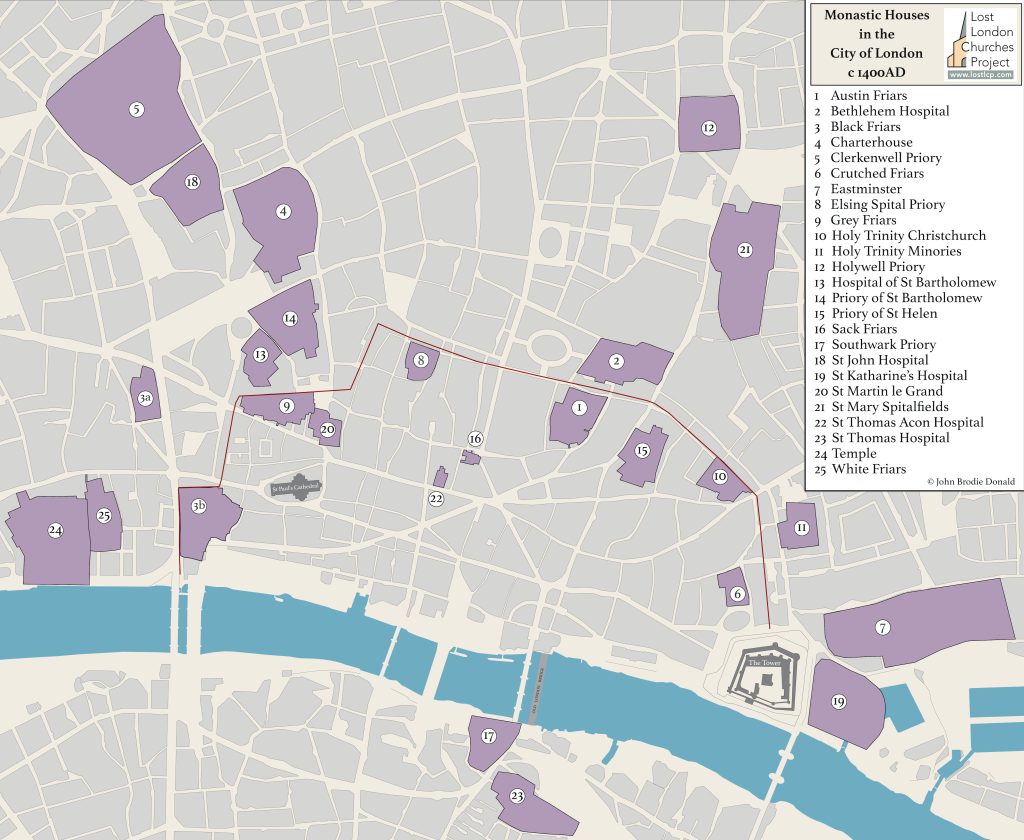
To a large extent they were preventing the city from expanding, since religious orders owned most of the land beyond London’s walls. However, with the dissolution of the monasteries they were gone, and their property was distributed between the King and his aristocratic friends. Henry appropriated land that had been owned by St Peter’s Abbey and turned it into Hyde Park (for his own personal use for hunting of course).
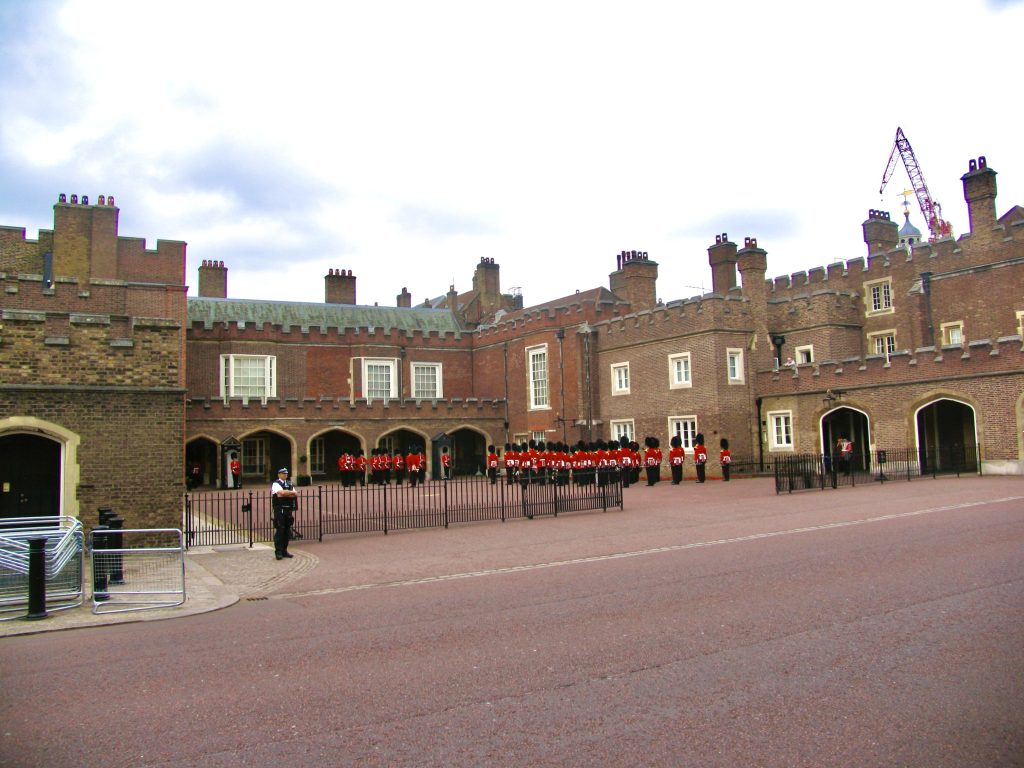
Some of the London monasteries were converted into great aristocratic houses, others were demolished to make way for new buildings. The King took St James’s Hospital for himself as a hunting lodge, with a new deer park for hunting created from the isolated, marshy area near it (now St James’s Park), which he bought from Eton College..
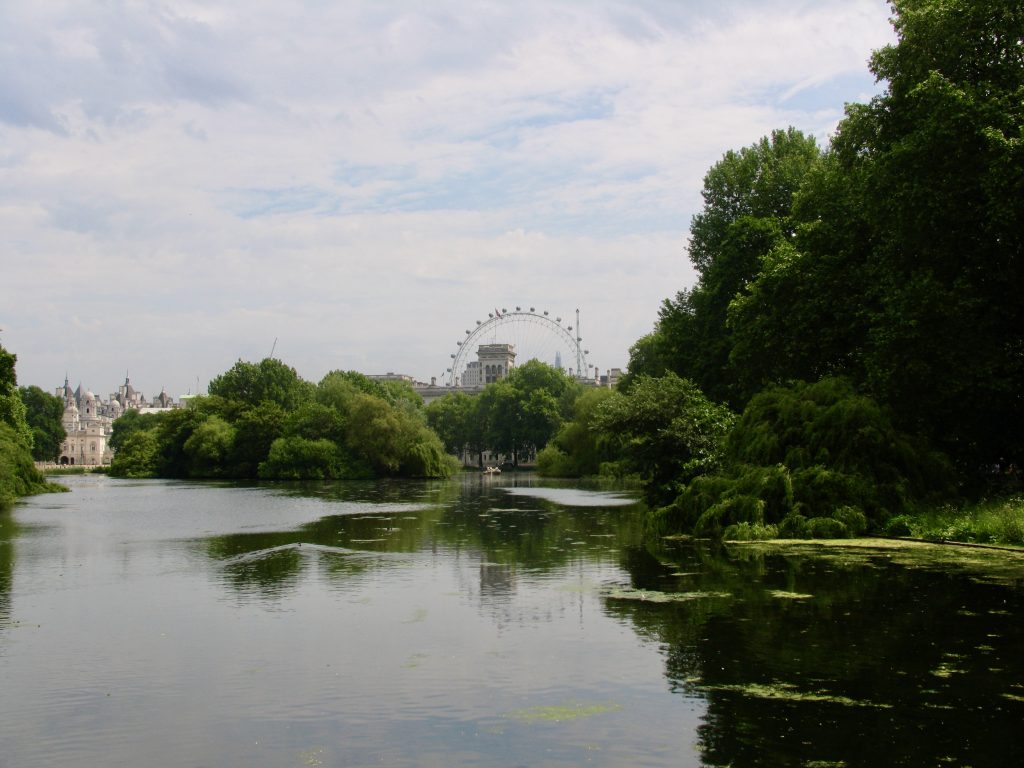
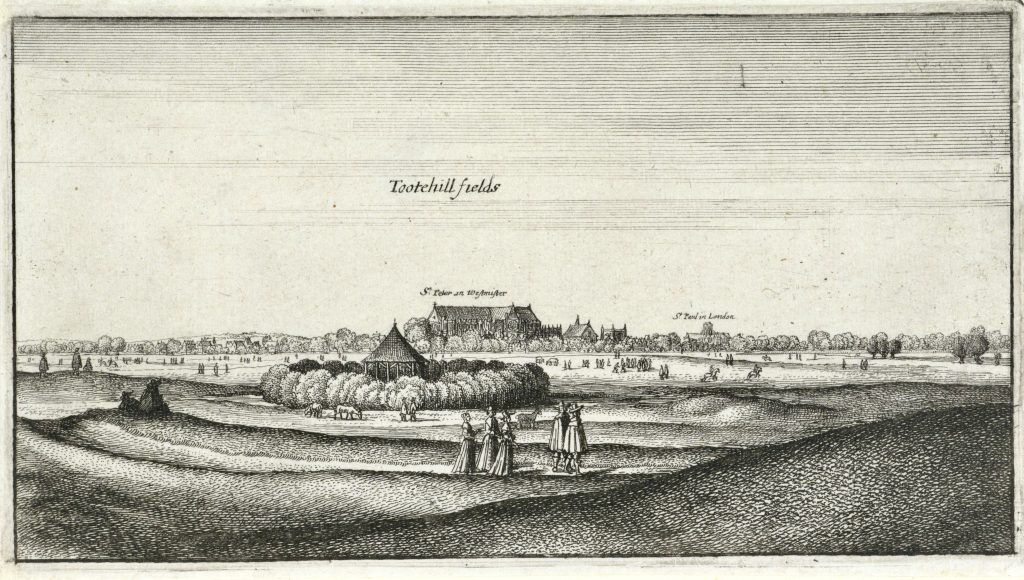
The Dissolution of the Monasteries was a particularly short and brutal episode in British history. When the Prior of Charterhouse went to the Archbishop of Canterbury to protest the reforms he and two others were summarily arrested and, just a few days later, executed by being hung, drawn and quartered at Tyburn. Ten of the monks were taken to Newgate Prison, where they were chained in a standing position and left to starve to death.
Other religious orders in England were disbanded with a little less savagery, but over a five year period over 900 of them disappeared. It was these reforms that finally allowed London to expand beyond its old city walls in the second half of the Sixteenth Century. As well as giving the profligate Henry a huge cash injection, it also allowed him to centralize power to himself as King, by creating a state religion,
Probably partly because of this Game of Thrones style treatment of dissenting voices, opposition to Henry’s reforms was limited. It’s important to understand though that Luther wasn’t initially trying to create a new religion, at first he only wanted to reform the Catholic Church.
However, the Church was widely seen as corrupt and many monks, priests and bishops had gained notoriety for their very comfortable lifestyle. Piers Plowman, the 14th century poem by William Langland, accused the Blackfriars of debauchery and luxurious living on a grand scale. There had been growing skepticism of the Catholic Church, and growing dissent within it, over previous decades.
Tudor Technology
It’s impossible to overstate the importance of the new technology of the printing press in this religious revolution. Luther’s Treatise was printed and distributed throughout Europe, being read by and influencing millions. It was soon translated into English, and had many agreeing with its main points.
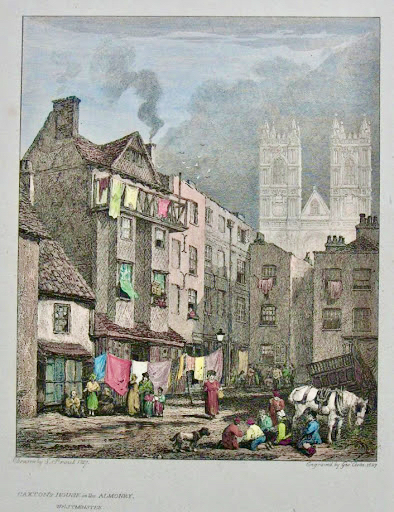
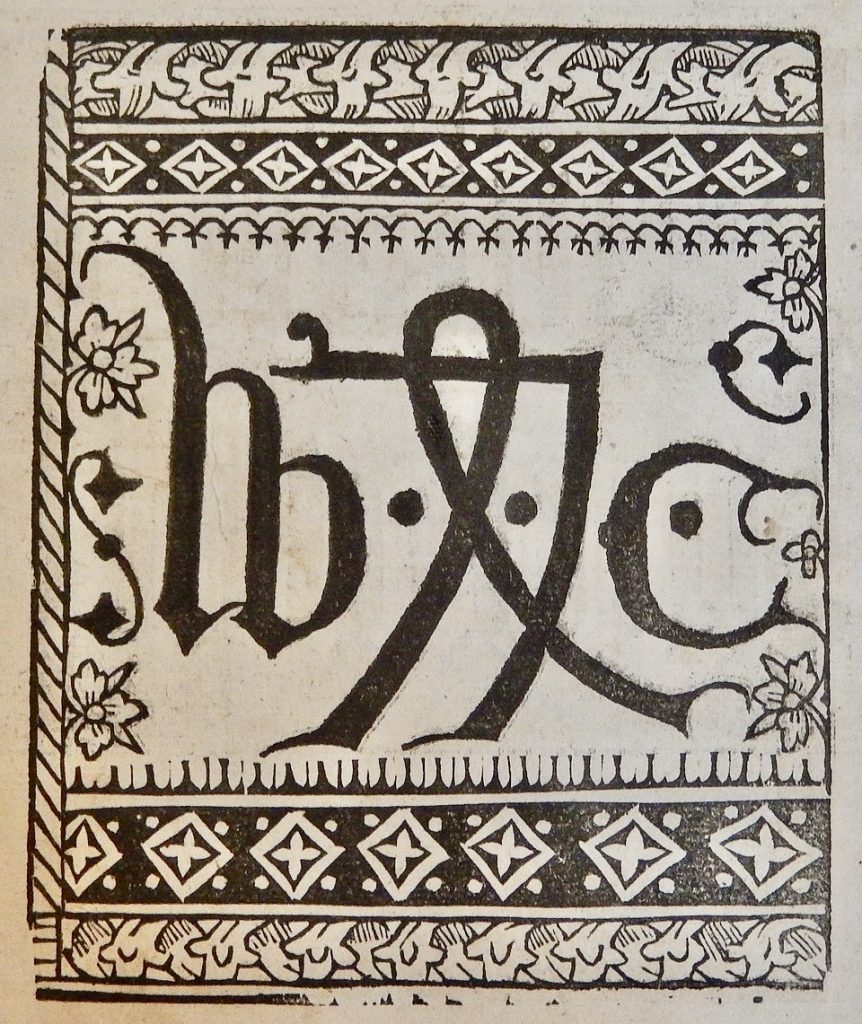
Mercer William Caxton had set up the first printing press in Britain in 1476 (during the reign of Edward IV), in the Almonry of Westminster Abbey. His new business was wildly successful. Previously books were very rare and expensive. Almost all Catholic literature, including the Bible, was in Latin, but Caxton began mass printing books in English, adding to their popularity.
This led to London becoming the center of the new publishing industry, leading to the further development of learning and literacy within the city. Caxton, and other early printers, created a more homogenized version of the English language, known as Chancery Standard, the London dialect that they used.
As an example of this Caxton is credited with inventing the spelling of ghost with a silent letter ‘h’, which was due the influence of Flemish spelling, where he’d lived for many years (in Bruges).
Henry VIII’s Palaces
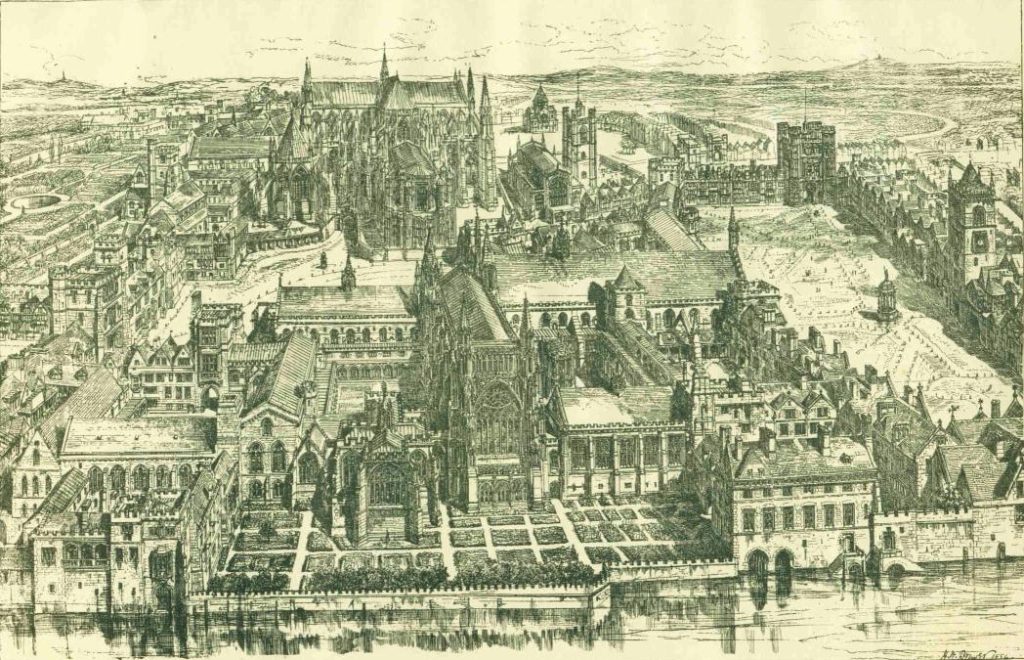
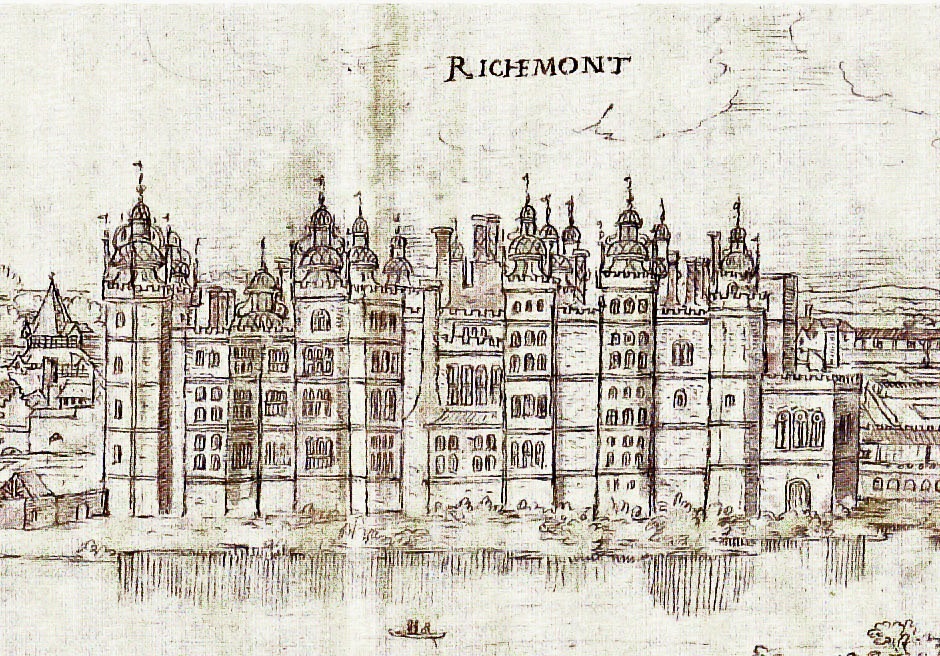
Henry had a huge number of palaces, many of them near London. He was born at Greenwich Palace, which had become popular with his father during his reign, and Henry often stayed there. Another popular spot was Richmond Palace, on the banks of the Thames in Surrey, and Bridewell Palace which was on the River Fleet, adjacent to London’s city walls.
Nevertheless, the Palace of Westminster was still considered the monarch’s principal residence when he was crowned. Unfortunately though, just a few years after ascending the throne, in 1512, there was a huge fire at the palace, destroying the royal apartments. What is a king, like Henry, to do?
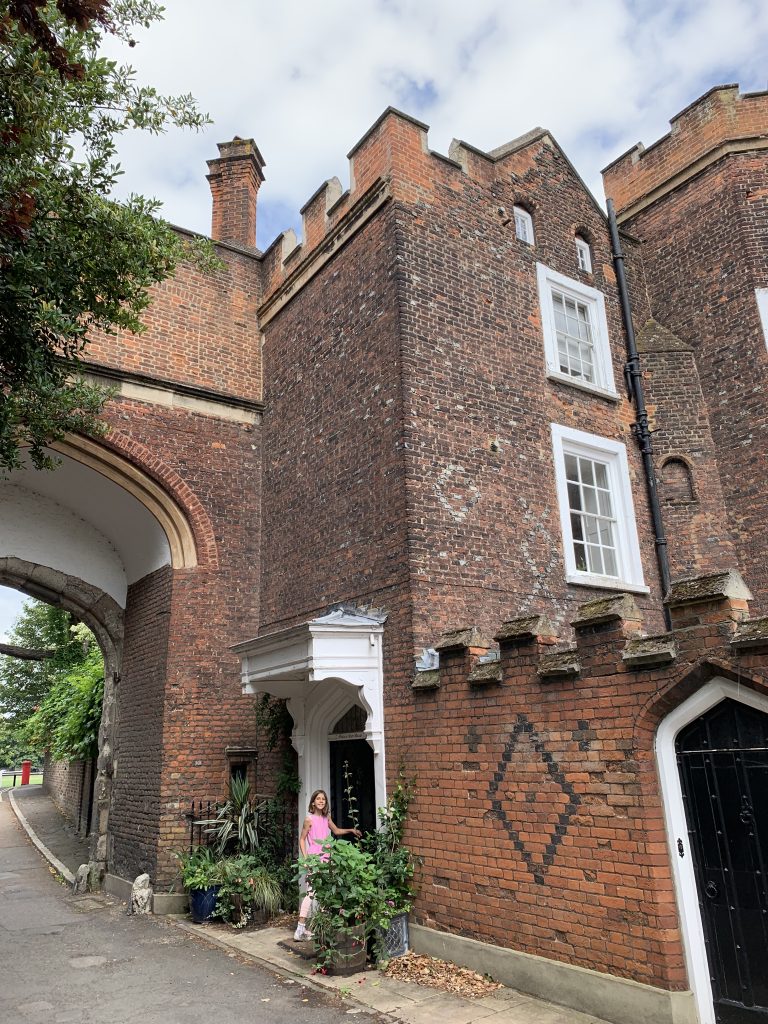
Well, just up the road was York Place, an even bigger palace, which was owned by Henry’s chief minister, Cardinal Wolsey. When Wolsey was unable to get the marriage annulment that Henry craved from the Pope he was effectively fired, and Henry took York Place for himself, renaming it Whitehall Palace. Soon it would become the monarch’s principal residence and Westminster was left solely for the use of Parliament.
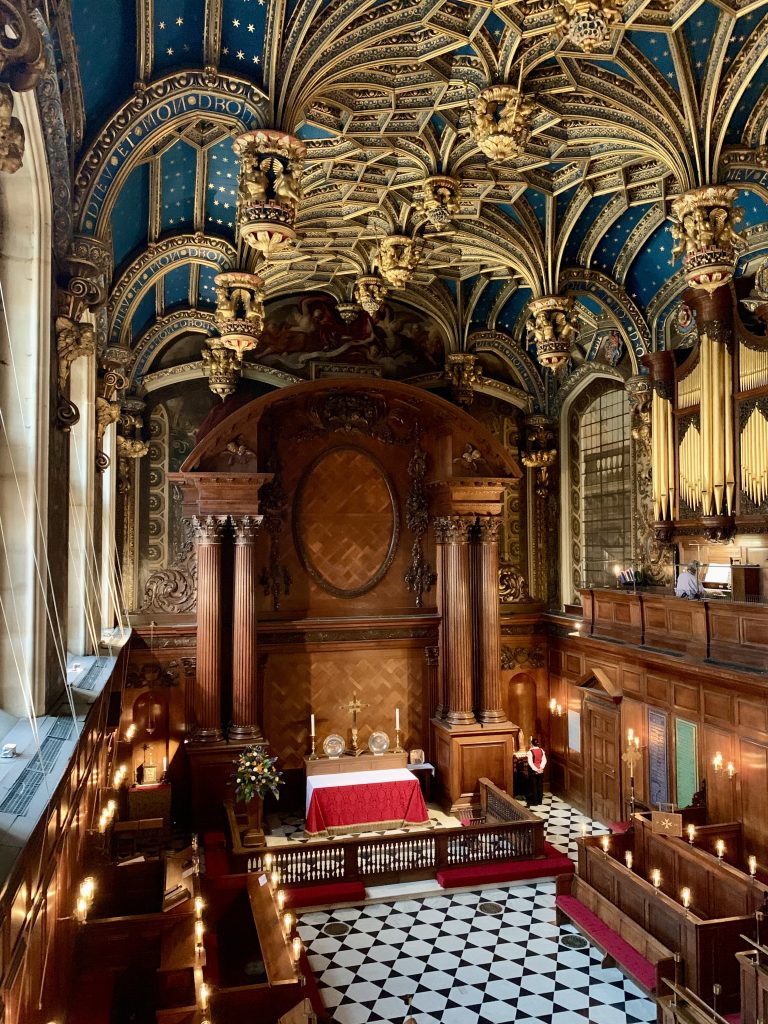
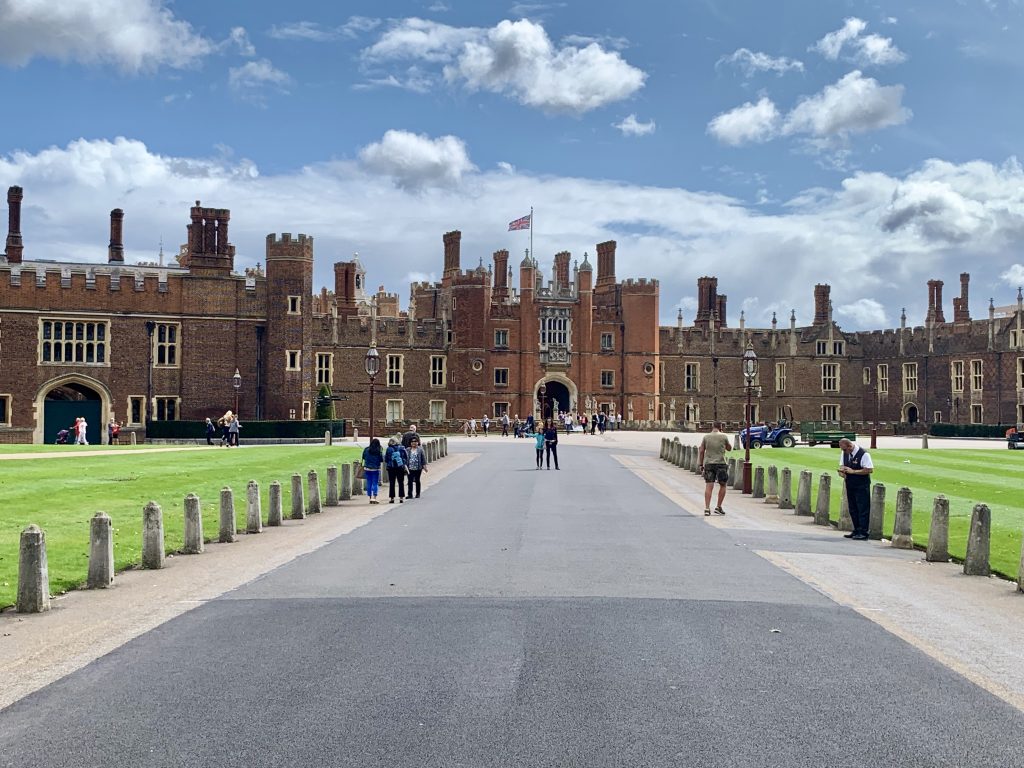
Another premier property that Wolsey owned, that was also appropriated by Henry in 1529 was Hampton Court Palace, twelve miles upstream from Westminster. The complex was expanded and turned into one of the largest pleasure palaces in Europe, with tennis courts, bowling alleys and gardens. Henry loved to travel between his palaces by barge.
Henry VIII died in 1547 and England was temporarily plunged into a period of political instability once again. Nevertheless by that point London was ready to grow and develop much further, as the world became increasingly interconnected by trade and commerce. The population of the city had reached around 100,000, and was to rapidly increase further over the following decades.
Learn More About Medieval London
Our London in a Day Tour and Introduction to London Pt 1 Tour both start at Westminster, the perfect place to begin an exploration of the city, and we cover all of the history related here on those tours, giving guests a proper understanding of London’ origins and a timeline of its development. The Introduction to London Pt 2 Tour also visits the Tower of London and St Paul’s Cathedral.
If you have any feedback on Medieval London: Dirty, Dangerous & Dynamic please email us or reach out on social media, we’d love to hear from you.
– By Damien Blackshaw (Instagram)
You must be logged in to post a comment.