Isabelle Kemp
We had a great day out with Nikky. She clearly knows London inside out. We went to so many places and Nikky knew exactly what she was doing. We crisscrossed the city using bus, tube and even Thames boat. We also went into places which we never knew were open to the public like an old church , a rooftop garden and the oldest police station in London (now a lovely pub!)! We also had the BEST ice cream in London. We could not rate it any better – a fantastic day out with a great guide. You won’t regret booking this one.
Jay C
TripAdvisor
My family did the London half day tour with Nikky. She was like a walking encyclopedia of all things London! We got to see some amazing places, including iconic Piccadilly circus, where they shot some scenes for 28 days later (one of my all-time favorite movies). Having lunch at covent garden after the tour was also awesome. The pub we went to (great suggestion btw) had the best fish and chips I’ve ever had, but they even had vegan options for my MIL :-). We highly recommend this tour!
Sadie Callan
My 13 year old daughter and I did the 8 hour London day tour with Nikky. Highly recommended – a great way to see the city, and much more of an experience than just doing a bus tour. The itinerary has been exceptionally well planned – you get to see all the famous sites (Westminster, Buckingham Palace, St James palace, Piccadilly, Leicester Square, covent garden, St Paul’s, and many more). You get to use the underground tube, the bus, and even a boat in amongst walking. The walk was fairly easy, didn’t feel strenuous at all, and after lunch we were using public transport to get around. Nikky was a brilliant tour guide. It was a privilege to spend a day with someone so knowledgeable, helpful, and cultured. She really knew her stuff, explained everything well (and was really good at engaging with my daughter at just the right level), and was just an all-round class act. If you have a day to spend in London then I can’t recommend this tour highly enough.
Richard_L
Viator
Nikki, was one of the best tour guides we’ve ever had. She was personable and very knowledgeable. Nikki did a great job engaging us in the rich, sometimes dark and always interesting facets of history for each sight we visited. Nice features of this tour included a double-decker bus ride and a boat ride on the Thames to reach some of the sights. Although there’s a good amount of walking, it was interspersed with stops at the many sights, a stop for lunch and stops for coffee/drinks. Nikki also took some great photos of us and provided recommendations for places we were interested in going over the next few days. We give Nikki 5/5 stars!
Isabel D
TripAdvisor
I’ve never done a tour quite like this one, with a bus trip as well as using the Underground and taking an uber boat. We covered a lot of London, seeing covent garden, Saint Paul’s, tower of London and south bank. It was a cold day, but the guide N was amazing and kept us moving and made some unscheduled hot chocolate stops. Highly recommended.
Jeeva_R
Viator
We booked the London full-day tour and it turned out to be an exceptional experience. The tour started right on time and the meeting point was very easy to locate. Nikky is incredibly knowledgeable and passionate about London’s history. She explained every place in great detail and shared tons and tons of historical facts that truly brought the city to life. What made this tour unique was that we visited so many “firsts of the world”—an unforgettable experience. Highly recommended for anyone visiting London and wanting to experience its rich history in the best possible way. A big thank you to Real London Experiences for an unforgettable day!
London West End Tour
PRICE
Free/Zilch/Nada
Just like the best things in life
WALKING OR CYCLING
1.5 miles
An easy walking distance
TIME
Do it when it suits you
Take as long as you like
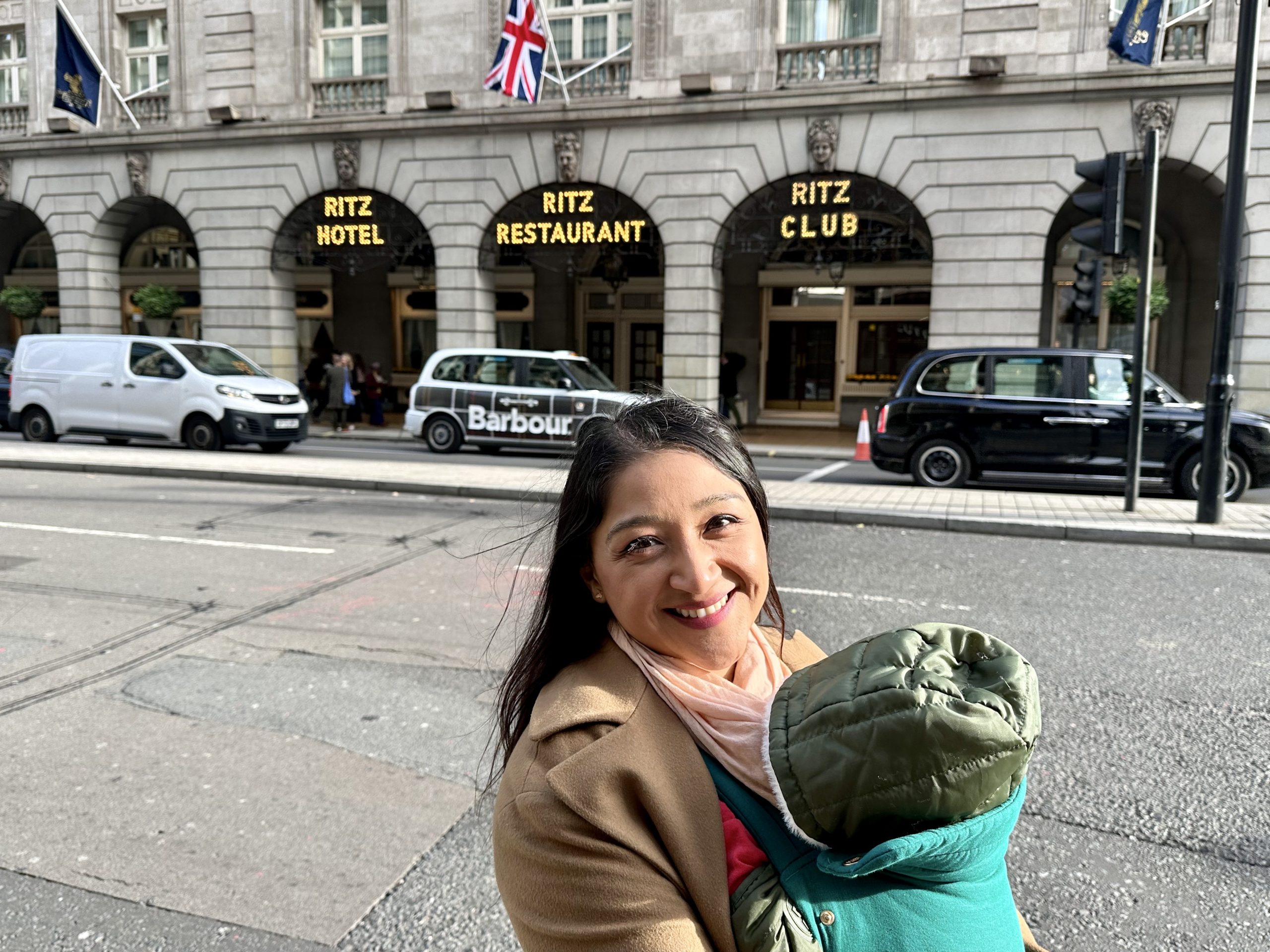
Begin your self-guided London West End Tour at one of the ritziest locations in the capital, the Ritz Hotel on Piccadilly. Take in the magnificent building, before heading east along Piccadilly, one of London's most beautiful streets.
You'll want to take your time, and you can because this is a self-guided tour, before arriving at Piccadilly Circus, the world-famous intersection. There are many spots to check out before resuming the tour, so don't rush this part either, then keep heading east to another London landmark, Leicester Square
You only need to walk a couple of blocks north from here to visit Chinatown, so do it, before heading east again towards Covent Garden and the famous market. Walk through the lovely, historic building, then head towards the Strand.
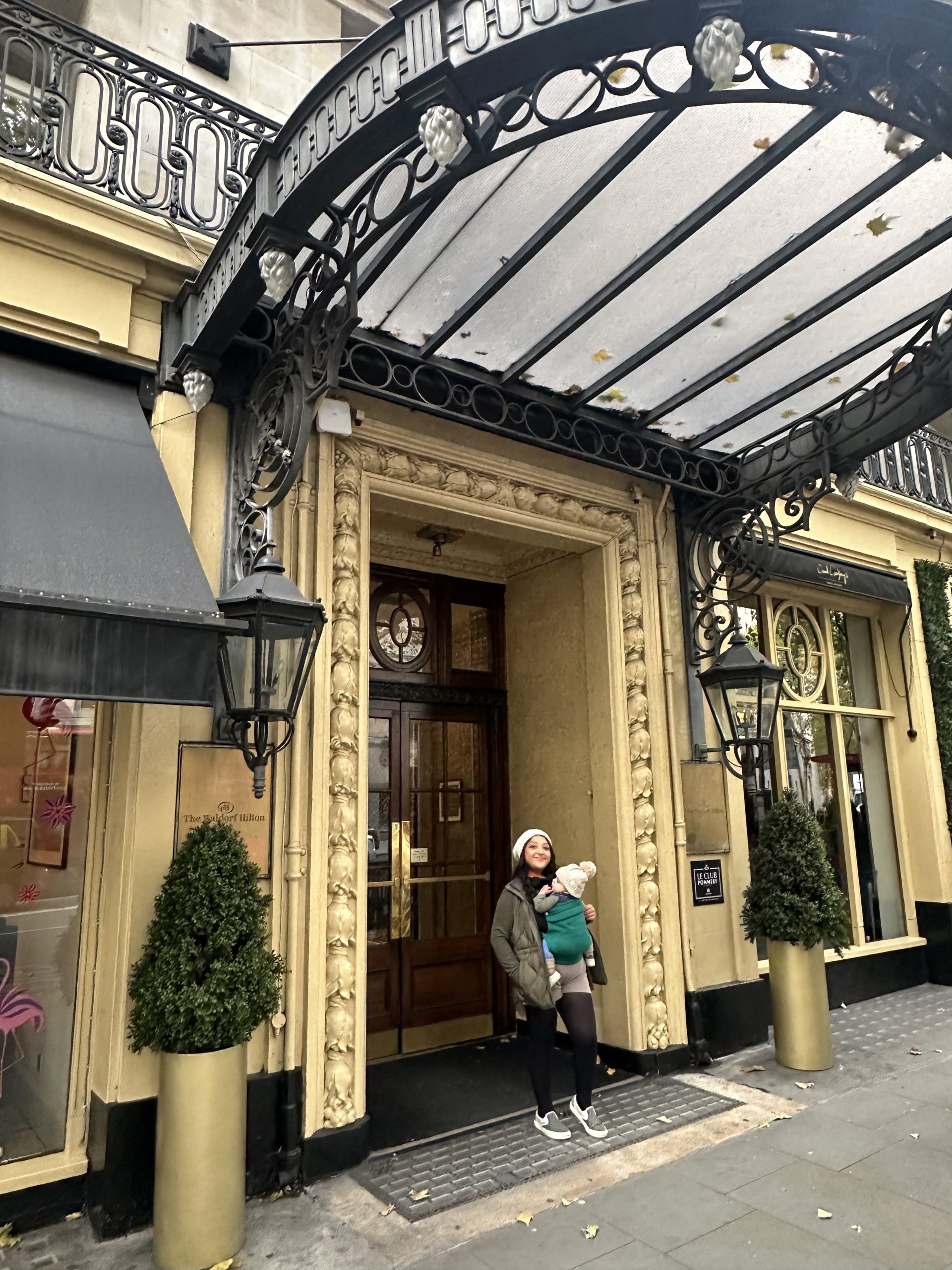
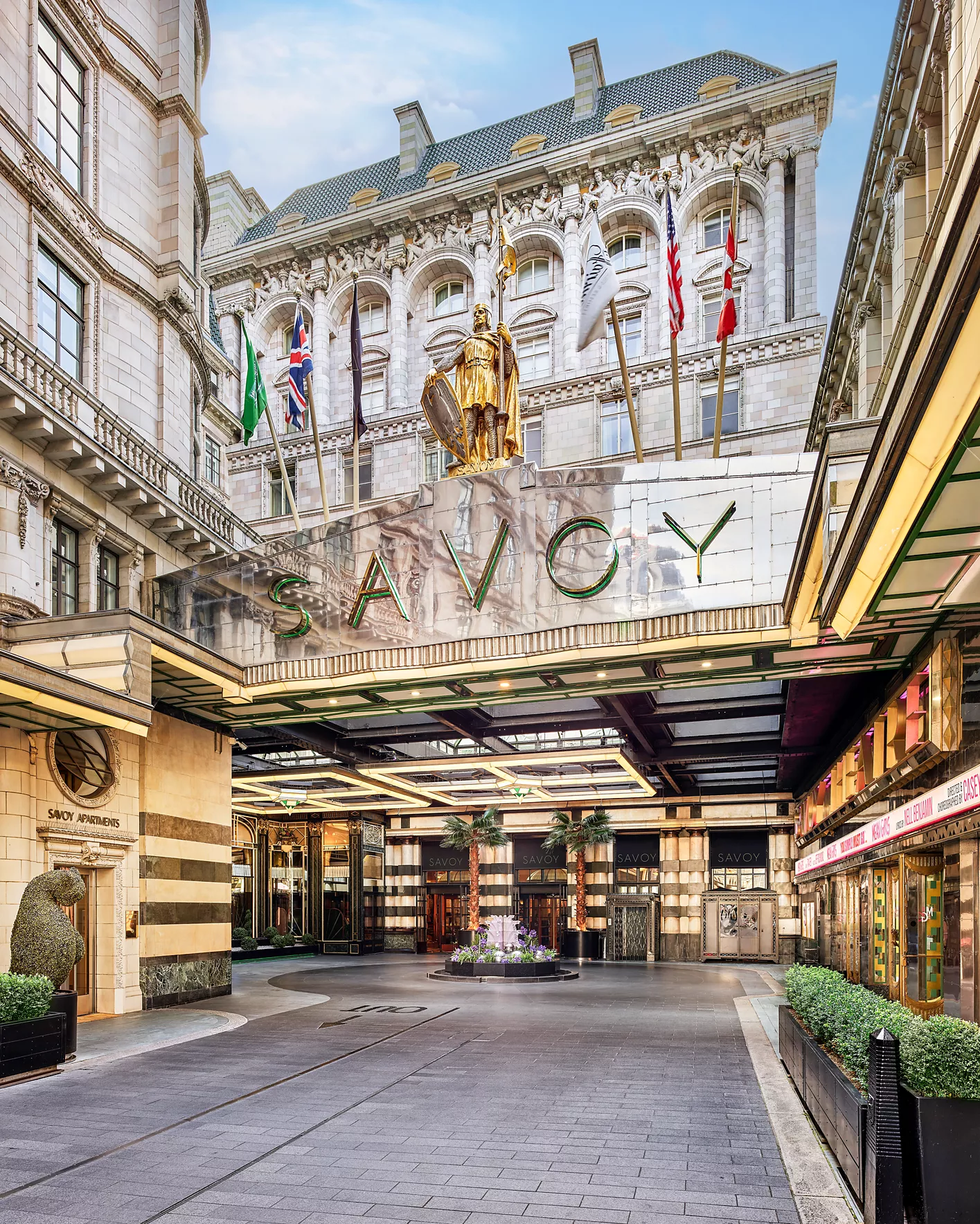
Finish your self-guided London West End tour at another legendary luxury hotel, the Savoy. The area is the perfect place to have lunch, or dinner, and do some shopping, or you can catch a show at one of the many theatres here. The options are endless.
RITZ LONDON HOTEL
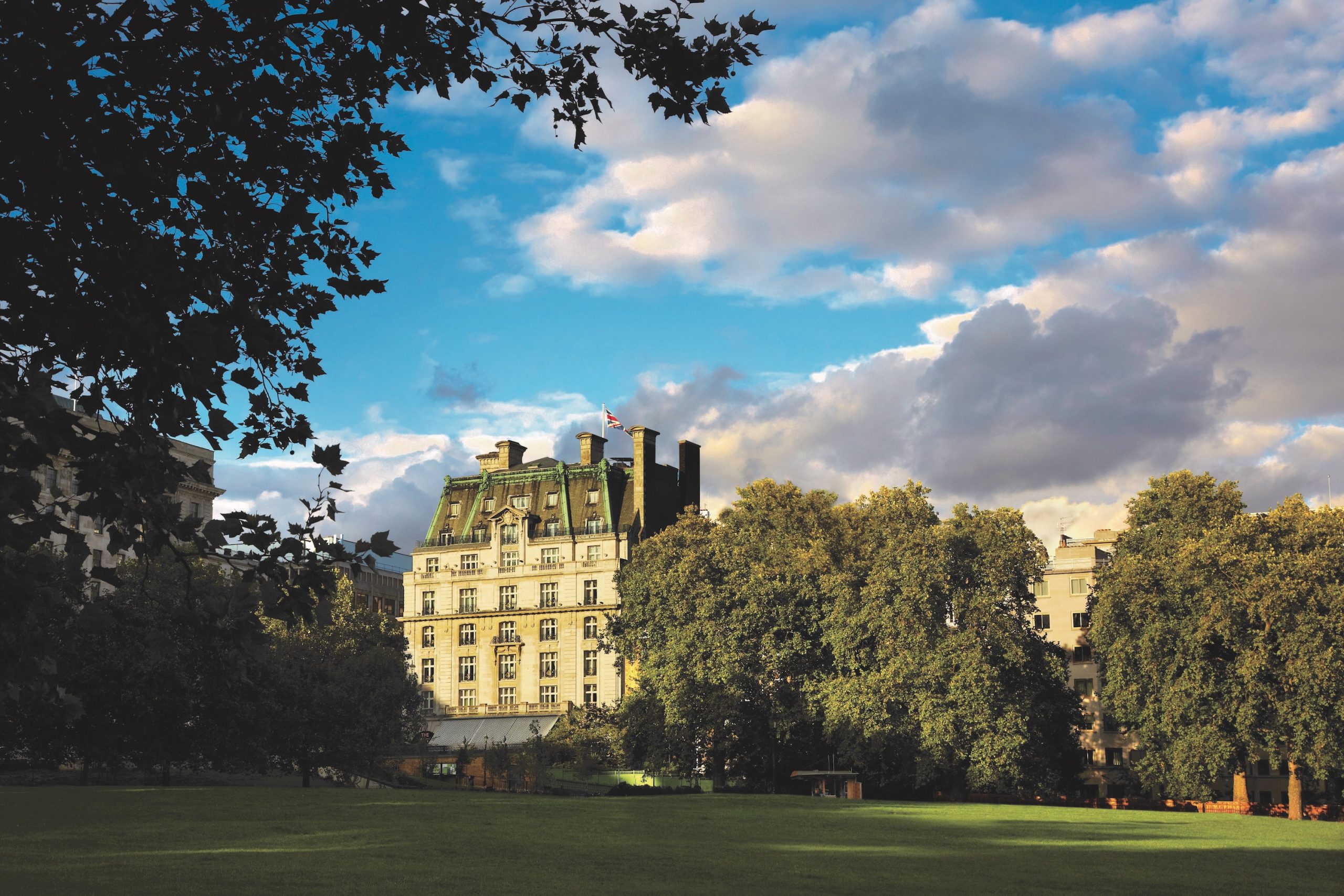
Originally from Switzerland, César Ritz, moved to London in 1889 to manage the Savoy Hotel, on the Strand. Unceremoniously fired from the Savoy in 1898, Ritz set about establishing his own hotel chain, opening the Ritz Paris only a few months later. The Ritz London opened in 1906.
A relatively small hotel (it's half the size of the Savoy), the Ritz was built in the French Belle Époque style, suitable for Piccadilly, one of the grandest boulevards in London. Today it has just 136 rooms and suites.
It took a few years, but by the 1920's the hotel had become very popular with the rich and fashionable, with luminaries such as Noël Coward(op , Douglas Fairbanks and Charlie Chaplin becoming regulars. It was during this period that Irving Berlin wrote the song Puttin' On the Ritz, in honour of the hotel.
In the 1930's it became popular with royalty (hardly surprisingly, since Buckingham Palace is so close), and it's been so ever since. Numerous rich people have even lived there, such as John Paul Getty, reputedly the richest man in the world at the time. Legendarily miserly, he was photographed picking up some pennies from the pavement outside the hotel in the 1970's.
The Ritz is famous for its afternoon tea (book here), so why not pop-in and enjoy a little luxury.
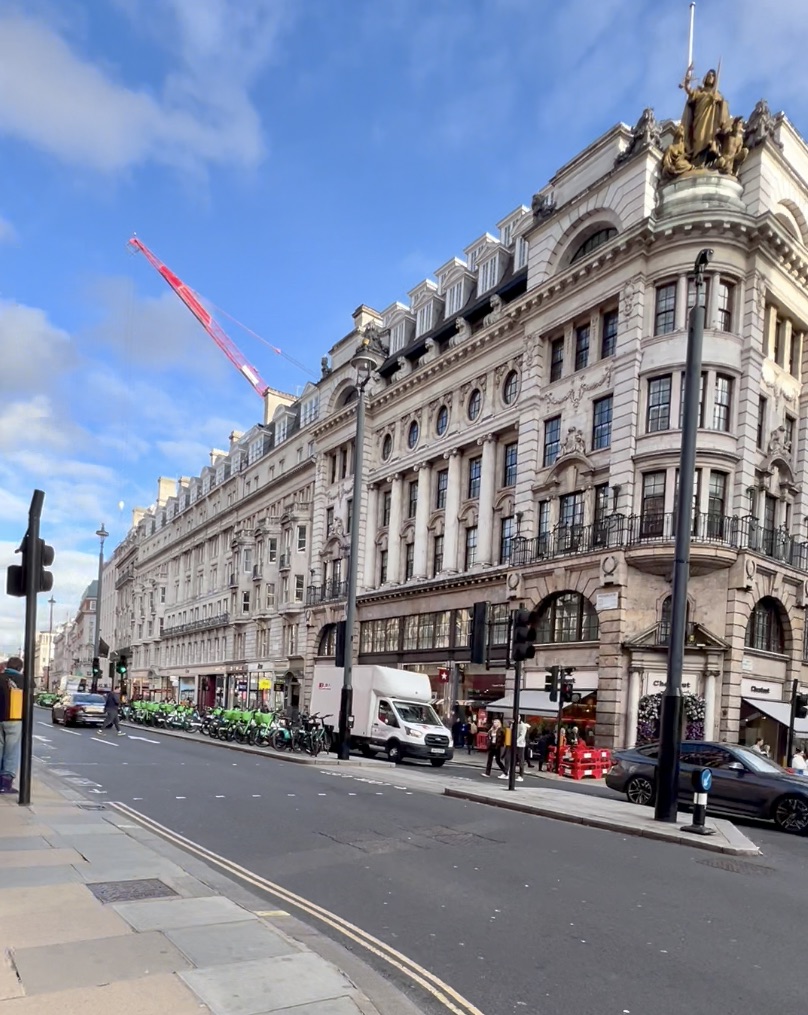
PICCADILLY
Piccadilly gets its name from a tailor called Robert Baker who made a fortune from making and selling piccadills (the lacy collars you see being worn by people like Elizabeth I and William Shakespeare in portraits). Baker bought the land around Piccadilly Circus in 1611 and built himself a grand house there, called Pikadilly Hall.
The name changed over the centuries, becoming Piccadilly by 1743, but one thing that has always remained the same is that the street has been a key commercial thoroughfare, with clothing, book and food being sold from many establishments along its length since the beginning. Today, Piccadilly is regarded as one of London's principal shopping streets.
There are numerous places to check out as you walk along the street, but a couple of places of particular note are Burlington Arcade (1818), considered the world's first shopping mall, Fortnum & Mason, a historic and very high quality food department store, and the Royal Academy of Arts, which always has some great exhibitions.
PICCADILLY CIRCUS
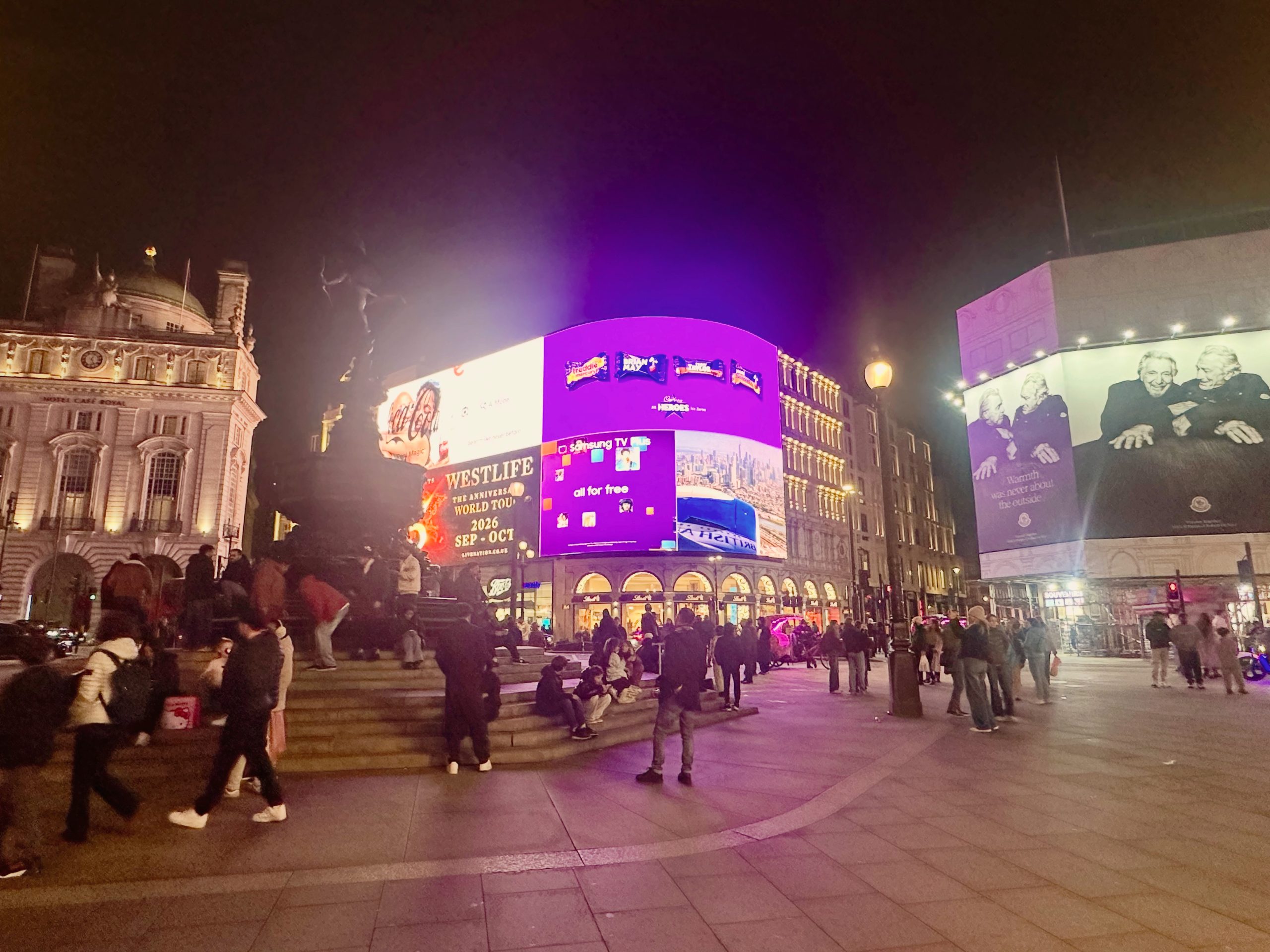
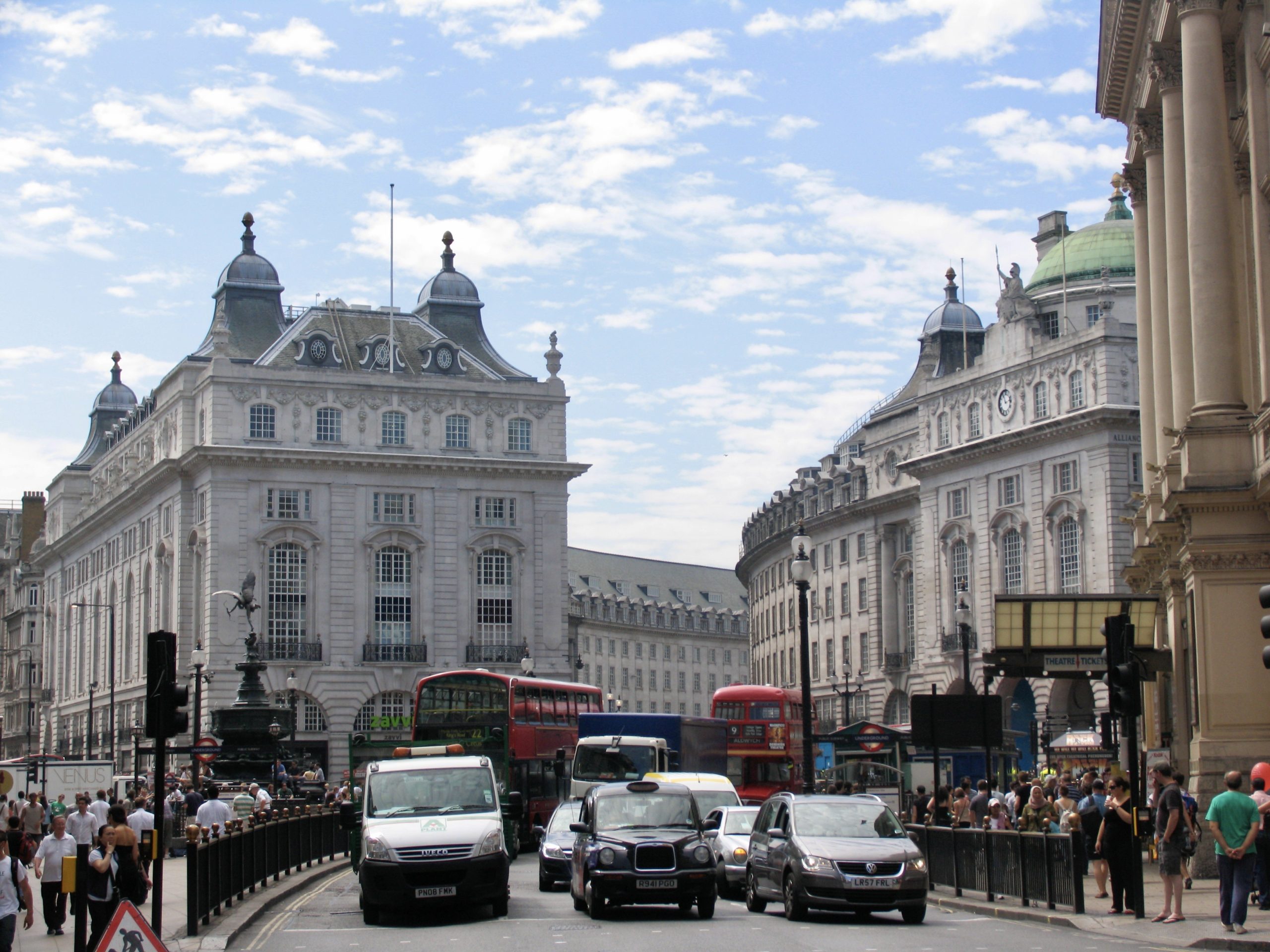
You've now reached one of the most famous intersections in the world on your London West End tour. It's considered the centre of the West End, with shopping districts, Theatreland, and numerous restaurants and nightclubs all calling the area home.
When it opened in 1819 at the end of the Georgian Era the junction was called Regent Circus South, and it was built to connect the newly constructed Regent Street with Piccadilly and Coventry Street (which leads to Leicester Square). It became Piccadilly Circus in the 1880's, when Shaftesbury Avenue opened.
Since its early years it's been a very busy intersection, to the extent that Londoners use the expression "it's like Piccadilly Circus" to describe any busy street. According to legend a person that stays long enough at Piccadilly Circus will eventually bump into everyone they know.
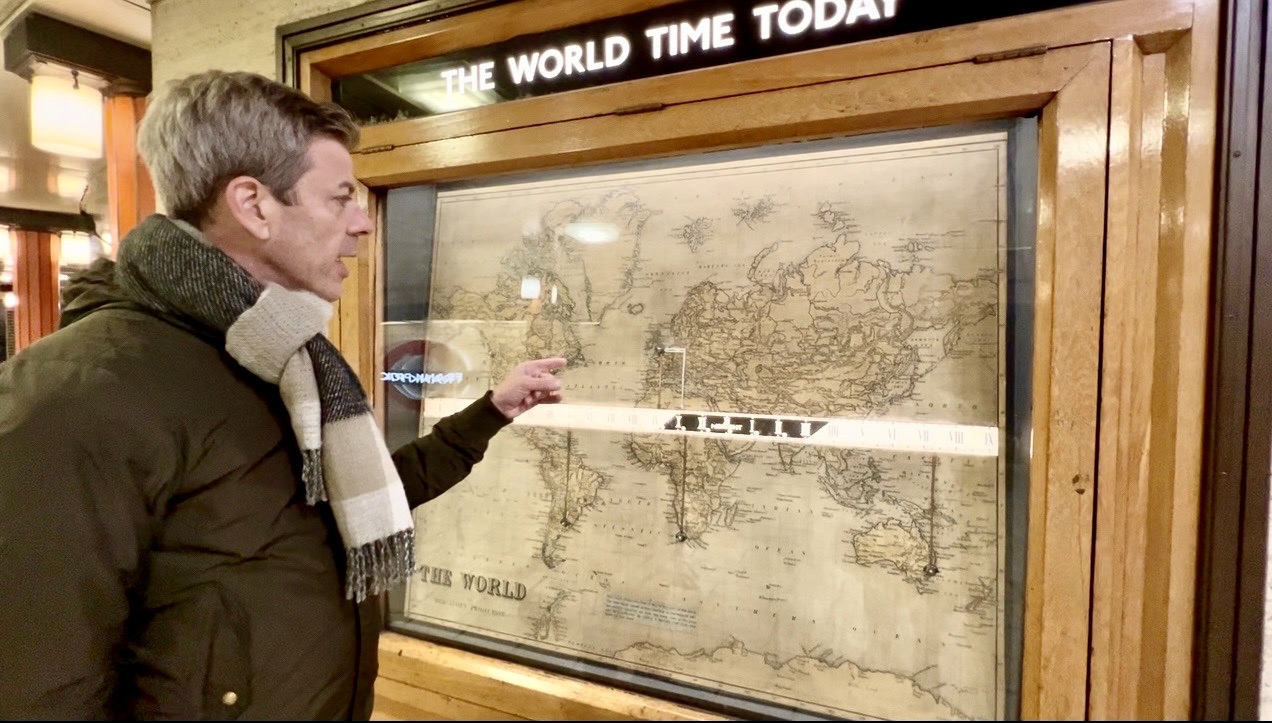
The Tube station underneath Piccadilly Circus opened in 1906, and during the Second World War it became one of the busiest air raid shelters in London, since the platforms are so deep. More than 2,000 civilians crowded onto the platforms and into tunnels every night during the Blitz.
LONDON CHINATOWN
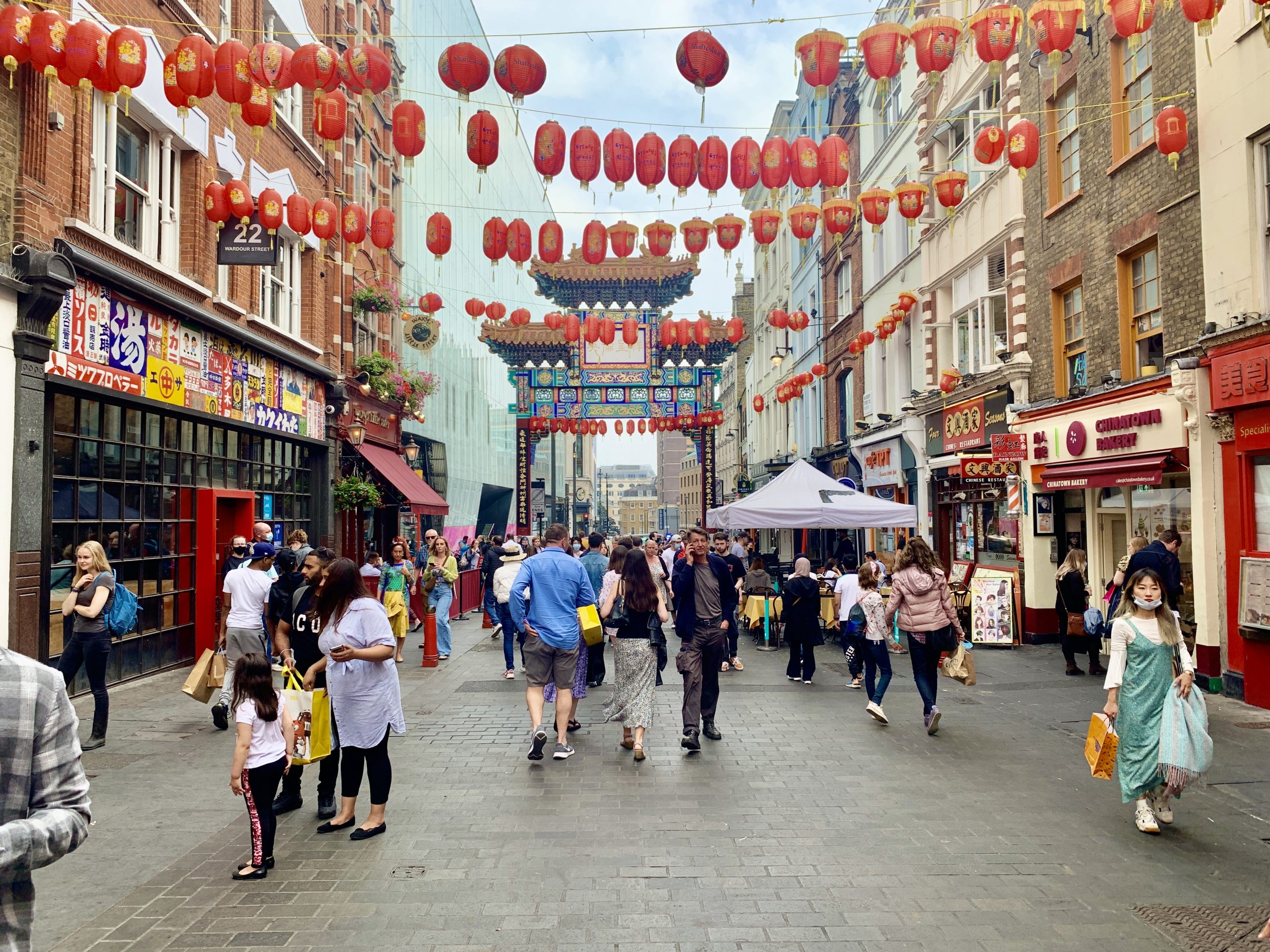
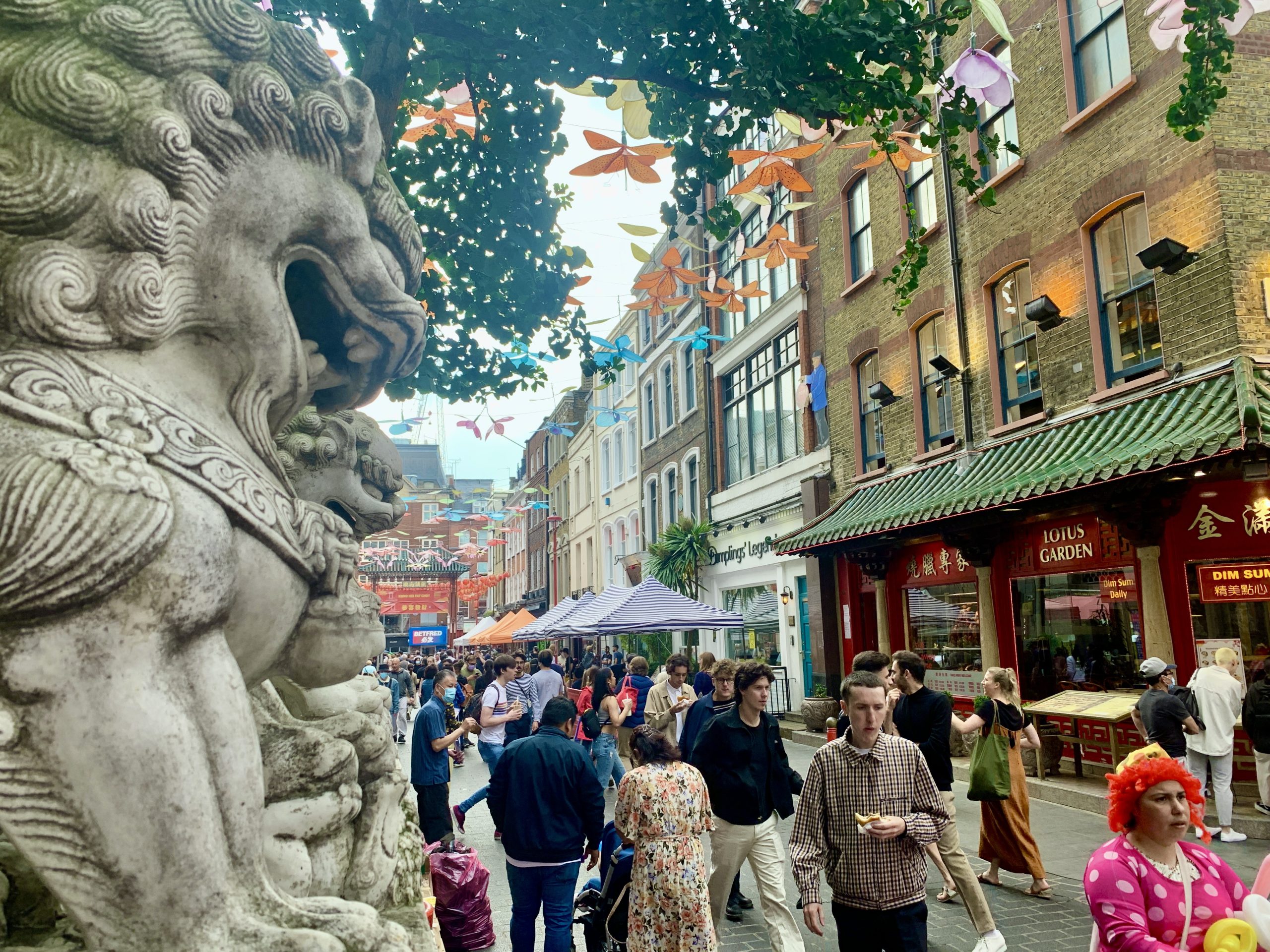
As you head east from Piccadilly Circus towards Leicester Square, make a quick diversion up Wardour Street to visit London's Chinatown.
London has had a Chinatown since the late Nineteenth Century, but at that time it was in Limehouse, in the East End, near the city's docks.
However, the attention of the Luftwaffe during the Blitz meant that much of it was destroyed. After World War II much of the West End was run-down and many properties were vacant or under-utilized, and by 1970 the streets north of Leicester Square had become a new Chinatown.
Continuing immigration from Hong Kong in the following years, and the growing popularity of Chinese cuisine, led to the area developing a reputation for having some great, and affordable, restaurants. Unlike Chinatown's in some other cities (like San Francisco) London's is not a residential neighborhood, but purely commercial.
So, it might be a great time to get some lunch (or dinner, depending on the time of day), before walking a block south to Leicester Square.
LEICESTER SQUARE
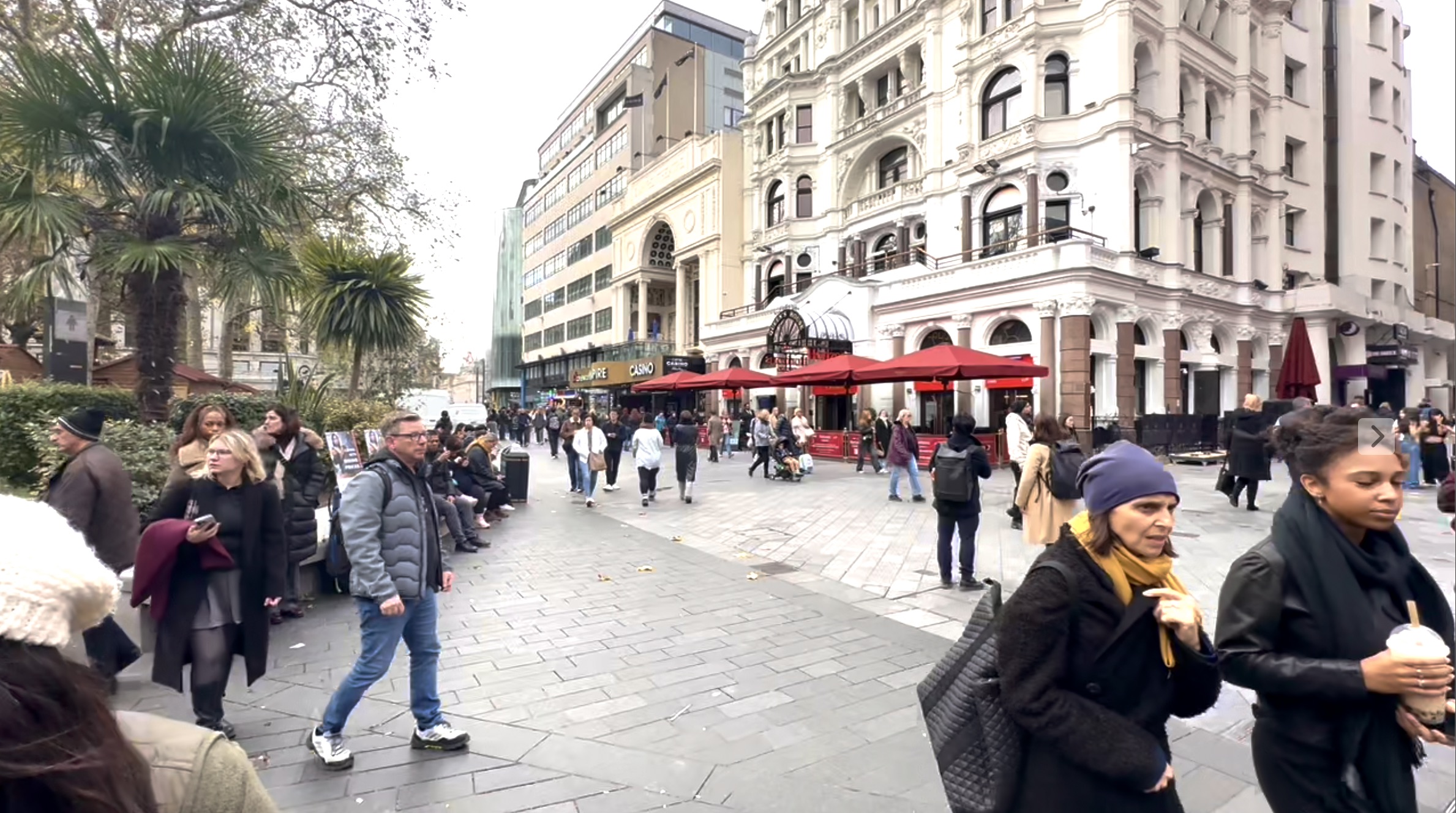
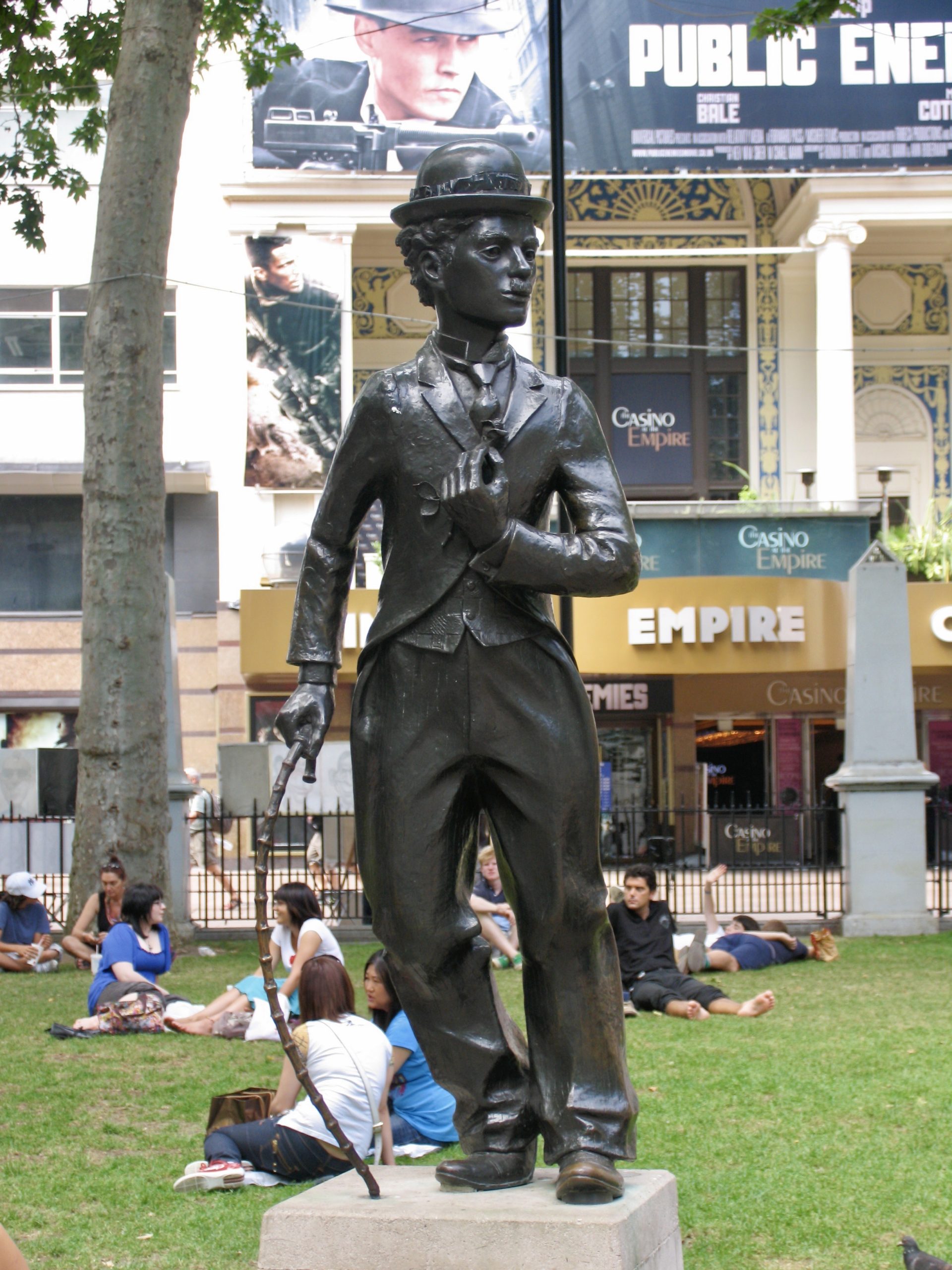
Leicester Square, along with Piccadilly Circus, is the beating heart of the West End. And it's been that way for more than 200 years.
The square was laid out in 1670 and was known as Leicester Fields at the time. In previous centuries the land had belonged to the Convent of Westminster Abbey, but Henry VIII's Dissolution of the Monasteries took the land from the Abbot and gave it to the Earl of Leicester. He then built a mansion for himself there called Leicester House.
From the beginning, and through most of the 18th Century, the square was chiefly residential. The artist William Hogarth lived here from 1733 to 1764 and Leicester House was used as a royal residence from 1742 to 1771. After that it was briefly a museum, before bing demolished in 1792.
By then the neighborhood was becoming known as a red light and entertainment district, due to several theatres opening on the square. Even in the late 19th Century it was still known for it's illicit pleasures, as no less a figure than Winston Churchill was involved in a scuffle when one of the most popular spots to meet prostitutes was closed down (the balcony of the Empire Theatre).
Today there are several cinemas in the square, and lots of theatres surrounding it. It's also home to numerous restaurants, bars and nightclubs. One of the best things you can do here is just sit on a bench in the centre of Leicester Square and take it all in, before continuing your London West End tour.
COVENT GARDEN
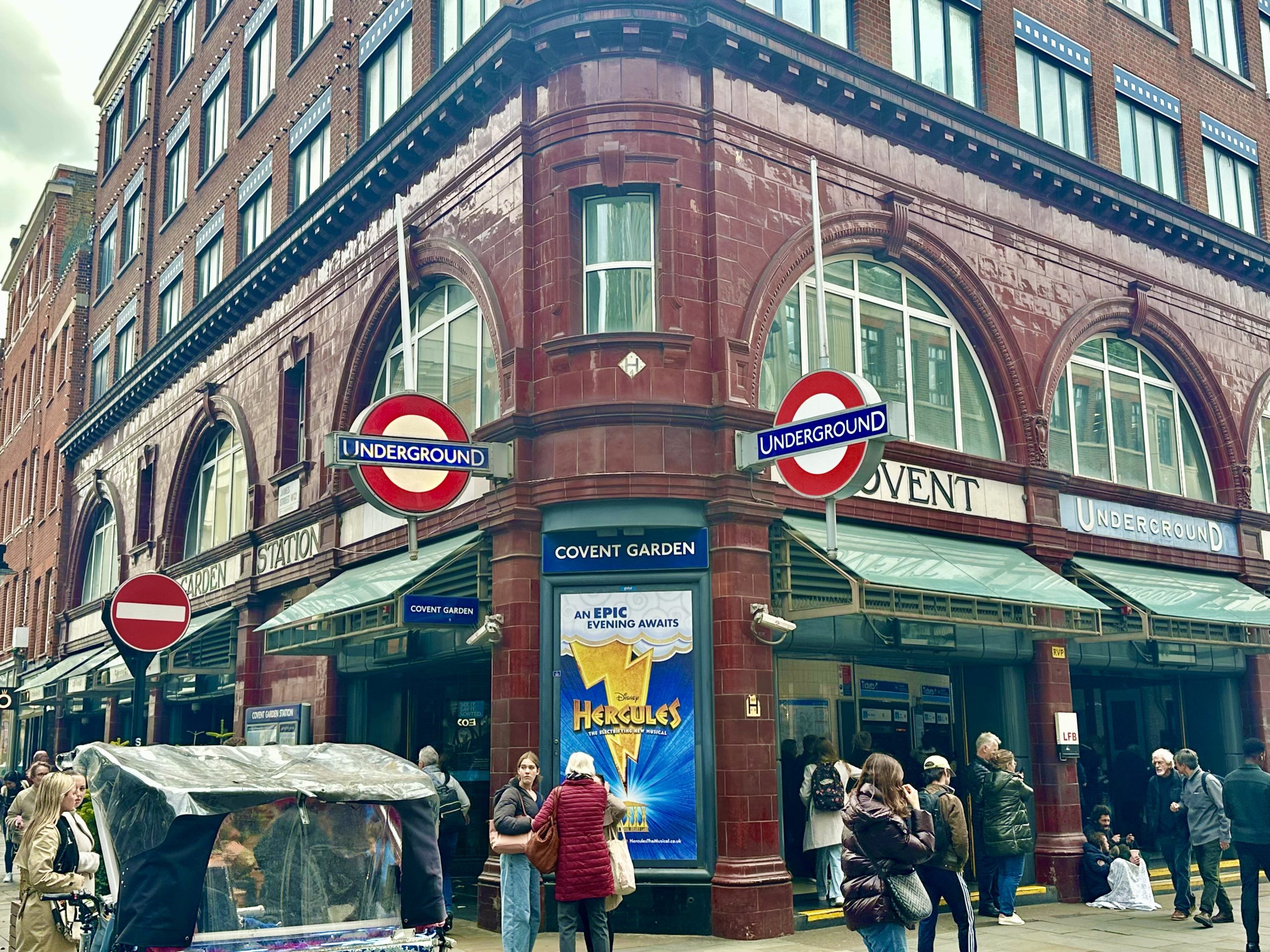
As you leave Leicester Square behind, you'll be heading towards Covent Garden. This was one of the first parts of the West End to be developed in the 1620's, as London first began to expand beyond its medieval city walls. Prior to that it was a walled garden that belonged to the Abbot and Convent of Westminster, from which the neighborhood gets its name.
More recent research has shown that the area became a small Saxon town in the Dark Ages, called Londonwic, after Londinium had been abandoned following the fall of the Roman Empire.
Like Leicester Square, Covent Garden, originally designed to a plan by Inigo Jones (considered Britain's first architect), was residential at first. By the 18th Century though it had become London's most notorious red-light district, with almost every other building around the piazza a brothel (allegedly). There were even guide books recommending the best houses of ill-repute.
Partly because of this the neighborhood also became home to London's very first police force, the Bow Street Runners, in the 1740's.
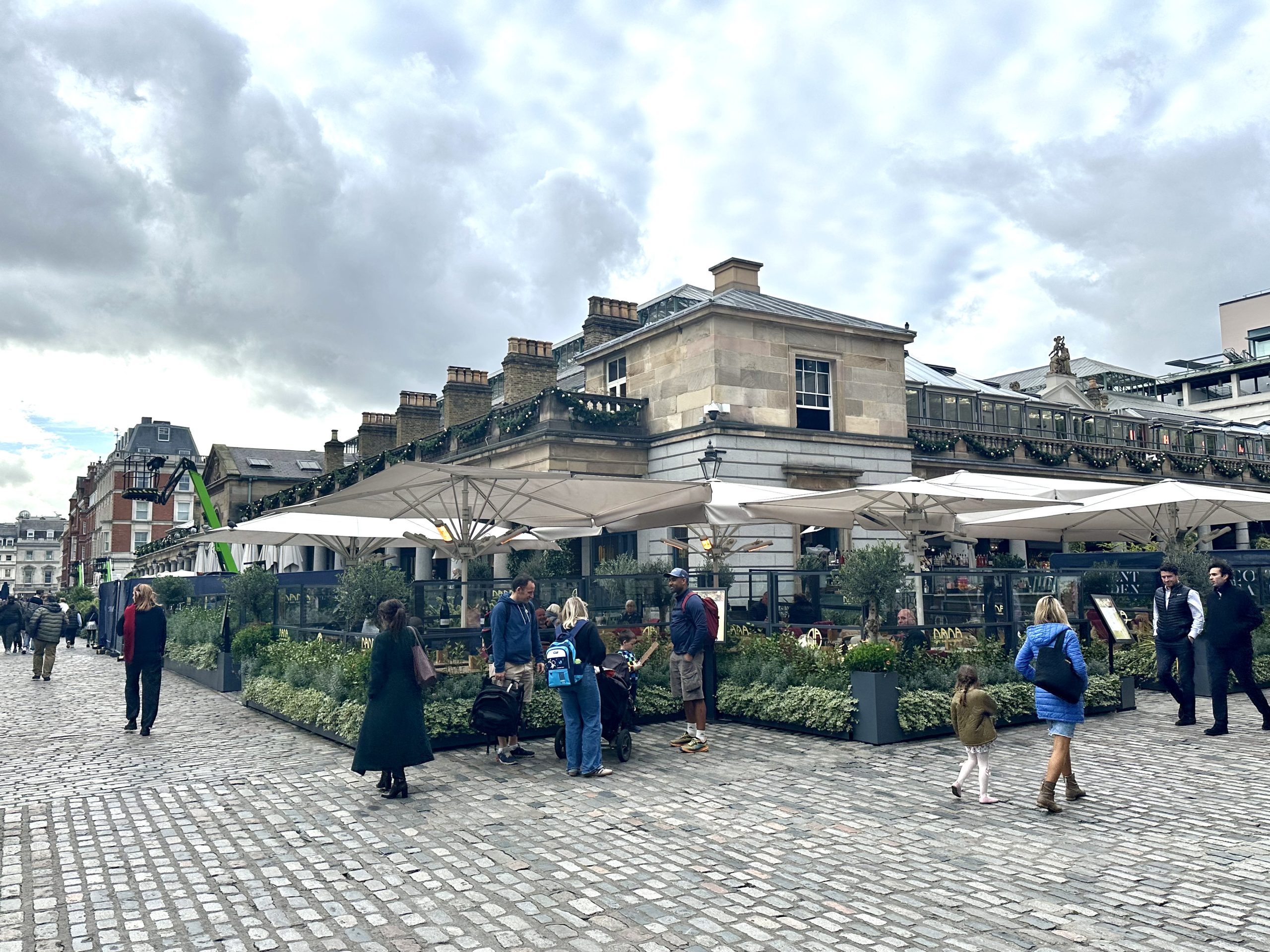
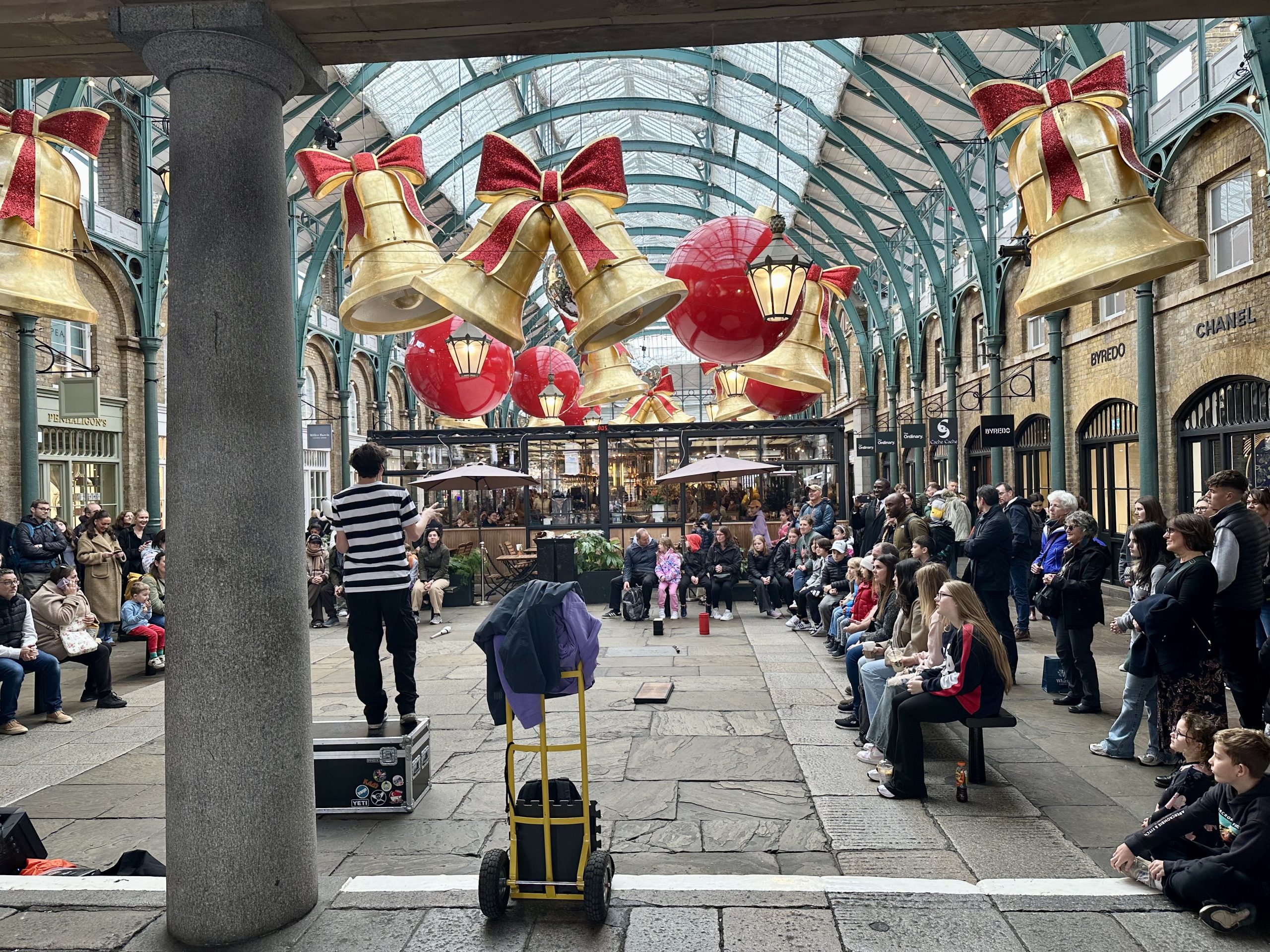
The piazza had an open-air market in it since at least 1654, and in 1830, the covered market at the heart of Covent Garden opened. It was a fruit and vegetable market until 1974, when it was moved to South Elms, on London's South Bank. Now the market building is home to numerous restaurants, bars and shops. It's one of the nicest parts of London.
Take the opportunity to walk through the market on the way down to the Strand.
THE STRAND
Strand, to give it its correct name, was for a long time the principal ceremonial route from the City of London to the Palace of Westminster, the main residence of the English monarchs. Accordingly, throughout the Middle Ages important aristocrats and bishops built their London residences along its length in order to be close to court.
Another reason they liked the Strand is because building their mansions here offered easy riverside access to the Thames (the name comes from the Old English word strond, meaning the edge of a river).
However, by the 17th Century the aristocrats were moving to the developing West End and the street became known for its coffee shops, restaurants and taverns. In fact it was at a tavern called The Duck and Drake on the Strand that the conspirators of the Gunpowder plot would hold their meetings before attempting to blow up parliament.
More happily Thomas Twining opened a tea shop on the Strand in 1706, Unbelievably it's still there, and you can visit the shop while on this tour.
By the 19th Century numerous theatres were opening along its length, many of which are still there, as the grand houses were demolished, one by one. Simpson's-in-the-Strand, one of the oldest restaurants in London opened here in 1828.
In 1864 Charing Cross Station opened offering train services to the continent, via boat across the English Channel, and this gave a boost to hotels in the area, with several new establishments being constructed in the following years (including one above the station).
Now its a pleasant, grand boulevard with hotels, theatres, restaurants and bars along its length.
SAVOY HOTEL
The site of the modern Savoy Hotel was given to Peter, the Count of Savoy (an Uncle of Queen Eleanor, wife of Henry II)), in 1246. He built a palace for himself on the land. Subsequently it became the property of the Dukes of Lancaster, and it gained the reputation of being the grandest great house in the entire kingdom.
It was badly damaged during the Peasants Revolt of 1381, and remained largely vacant for a couple of centuries, until Henry VII created a hospital for the poor and needy there with new buildings. It remained as such until 1702, when the hospital was wound up and it became a barracks.and military prison during the Georgian Era.
In the early 19th Century much of the palace/hospital was demolished, and in 1864 the remaining part was destroyed in a fire. It wasn't until 1880 that a grand new theatre arose on the site called, of course, the Savoy. Theatre.
The theatre's owner, Richard D'Oyly Carte had been impressed by the big new luxury hotels he'd seen across the Atlantic, in the U.S., so in 1889 he opened one on this side of the pond: the Savoy Hotel.
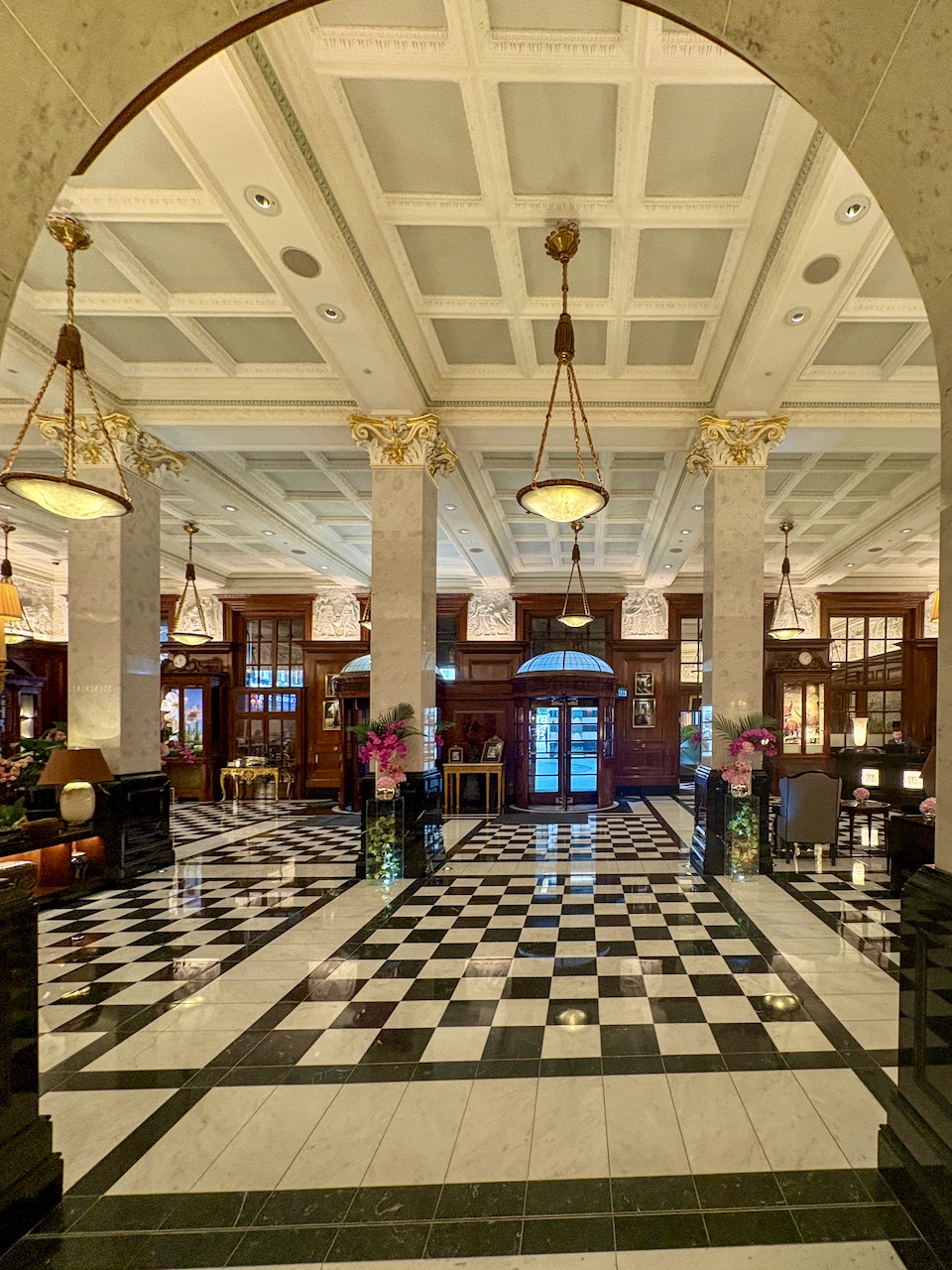
Ever since then it has been one of the pre-eminent establishments in London. In fact London's famed black cabs are all specifically designed to have a tight turning circle, dictated by the narrow street which offers access to and from the Savoy Hotel from the Strand. It's particularly popular with wealthy Americans and the film Notting Hill, filmed a pivotal scene in the hotel's Lancaster Room.
Pop in, as you finish your London West End tour, and have a quick look inside. You can also visit the Savoy Chapel, a church that's still owned by the Duchy of Lancaster, which sits on the site and dates back to 1500.
Th(opens in new tab)
We hope you enjoyed this free self-guided London West End tour.
For more information on things to do in London and how to navigate the city take a look at London Info and Inside London, and check in with us on social media to see what else we're doing.
This map is interactive. To open in Google Maps click the icon in the top right corner.
You must be logged in to post a comment.